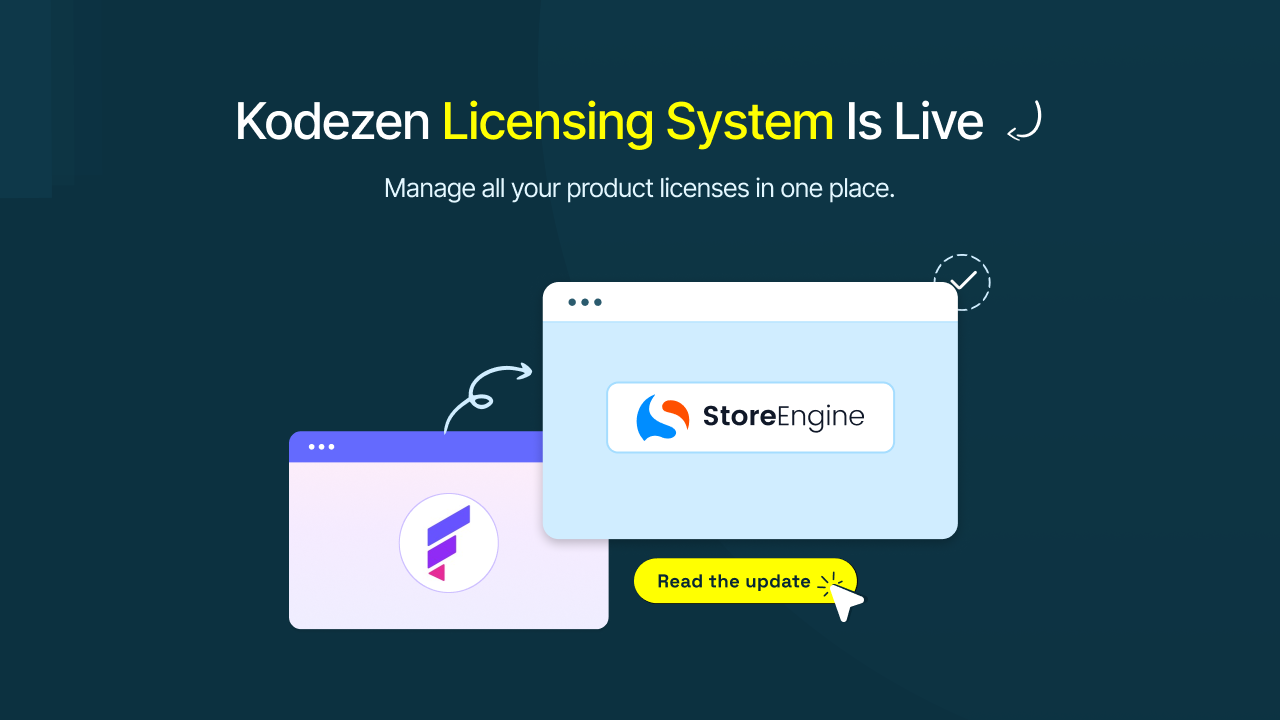
At Kodezen, we are always working to improve the experience for our users. Today we’re excited to announce an important milestone in our journey — the launch of the Kodezen Licensing System.
We have officially moved all product licensing from Freemius to our own licensing infrastructure built by Kodezen. This upgrade allows us to provide better control, smoother management, and more flexibility across the entire Kodezen product ecosystem (Powered by StoreEngine).
If you are using products like Academy LMS, StoreEngine, aBlocks, or any other Kodezen tools, this guide will help you understand how to manage your licenses moving forward.
Why Kodezen Built Its Own Licensing System
At Kodezen, our goal has always been to create a powerful ecosystem of WordPress tools that work seamlessly together. By moving to our own licensing system, we can now:
Provide a better and more unified customer experience
Offer simpler license management
Enable faster updates and improvements
Deliver more flexible upgrade and bundle options
Manage the entire Kodezen ecosystem from a single platform
This move allows Kodezen to serve our growing community more efficiently and continue building better tools for WordPress users.
Where to Manage Your Licenses Now?
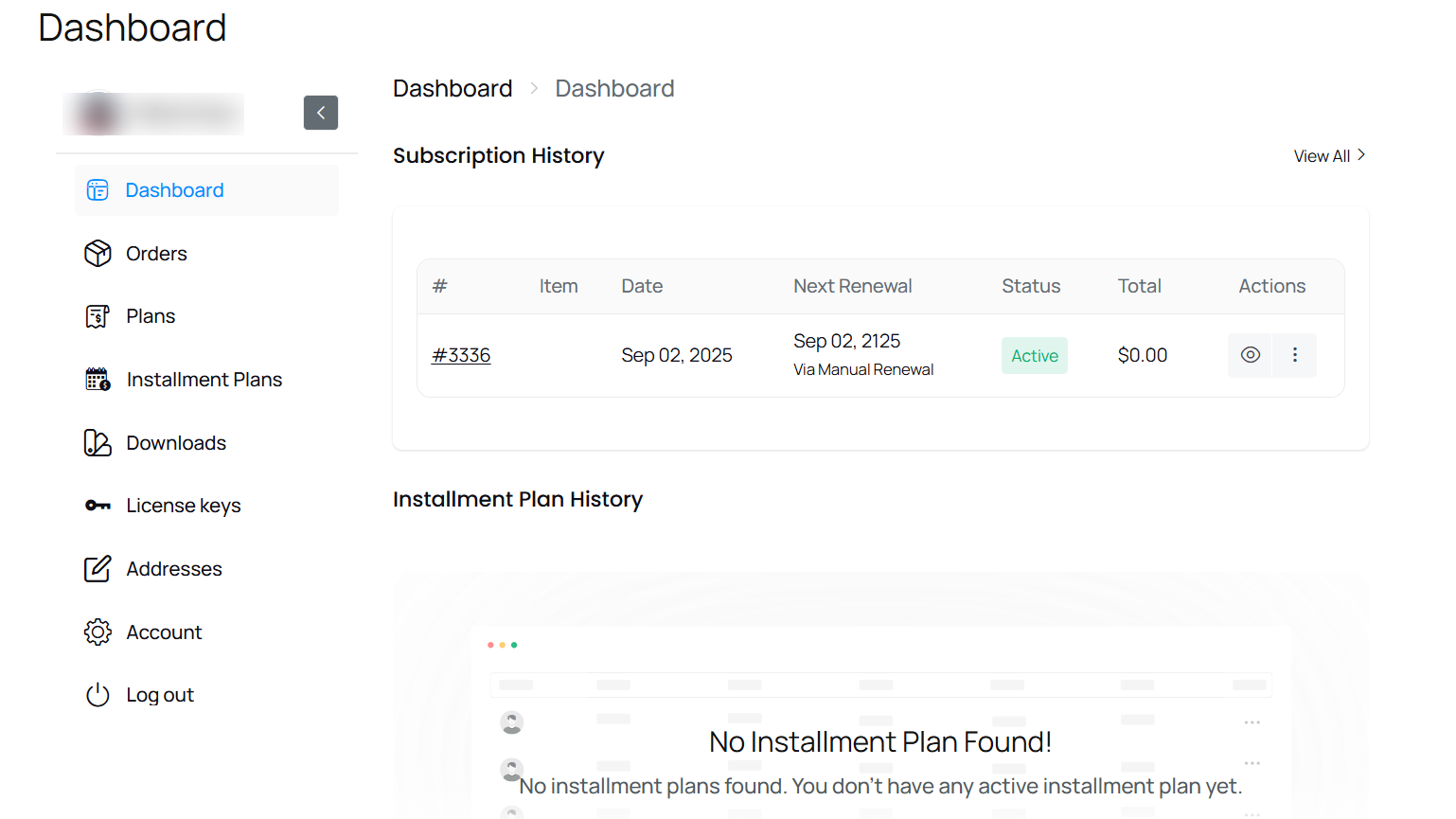
All your product downloads, licenses, and purchases are now available in the Kodezen Store Dashboard.
This dashboard is now the central hub for managing all Kodezen products.
Cross-Check Your Purchases with Freemius
Since the transition was recently completed, you can still use Freemius to cross-check your purchase history if needed.
Freemius may still contain records of:
Previous purchases
License information
Billing history
This can help you verify your information during the transition period.
Note: All license keys from Freemius will not work from now.
What does this mean for Existing Kodezen Users?
If you previously purchased any Kodezen product:
Your purchases are safe
Your access has been migrated to the new Kodezen licensing system
From now on, you simply need to use the Kodezen dashboard to manage everything.
Special Upgrade Offers During the Transition (Coming Soon)
To celebrate the launch of the Kodezen Licensing System, we’re offering a limited-time upgrade opportunity across all our products — including Academy LMS, StoreEngine, aBlocks, and more.
This is the best time to upgrade your plan and save more.
Upgrade Any License — Pay Only the Difference
You can upgrade to any higher plan by simply paying the price difference.
For example:
If you purchased a yearly plan at $119 and the Lifetime plan is $199,
you only need to pay $80 to upgrade.
This applies to:
Yearly → Lifetime
1 Site → 10 Sites
10 Sites → 50 Sites
Any plan upgrade
Subscription to Lifetime Upgrade
Already using a yearly plan?
You can easily switch to Lifetime by adjusting your current payment with the Lifetime pricing.
Pay once and enjoy lifetime access.
Bundle Upgrade Option
If you’re using one or more Kodezen products, you can upgrade to our Bundle Plan by adjusting your existing purchase value.
Get access to the full Kodezen ecosystem in one package.
Bundle with Installment Payments
We’ve also introduced installment options for the Bundle plan.
Now you can access all products with flexible payments instead of paying everything upfront.
Limited-Time Opportunity
These offers are only available for a short time during our licensing transition.
If you’ve been thinking about upgrading, this is the perfect moment to do it with maximum savings.
Don’t miss out — upgrade now and make the most of this transition.
The Future of the Kodezen Ecosystem
Launching the Kodezen Licensing System is a major step toward building a stronger ecosystem for all our products — including Academy LMS, StoreEngine, aBlocks, and more.
With this new infrastructure, Kodezen can continue delivering:
Better integrations
Improved product management
More flexible upgrade options
A smoother experience for our users
We’re excited about what comes next and grateful to have you as part of the Kodezen community.
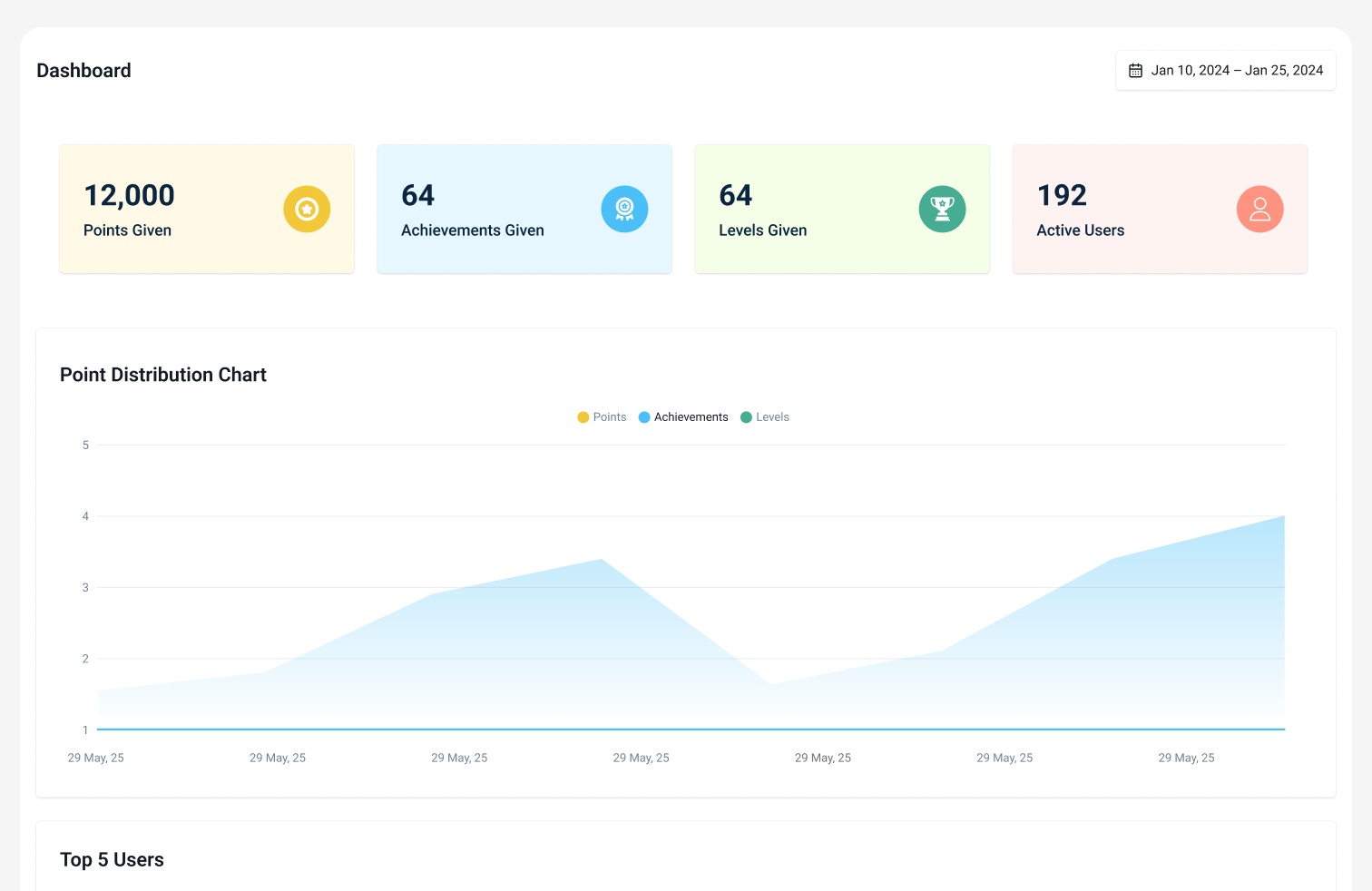
User behavior has changed. People don’t just visit websites anymore—they expect interactivity, progress, and that small dopamine boost that comes from being rewarded.
This is where using gamification makes the difference. By applying smart game design elements like points, achievements, and rewards, you create a system that drives real engagement and motivation every time users interact with your site.
From earning a number of points to unlocking rewards, gamification involves turning simple actions into meaningful experiences. These gamification elements help build loyalty, encourage recurring behavior, and keep users coming back.
That’s why we built GameEngine — a new product in the Kodezen ecosystem designed to bring powerful, in-app gamification into WordPress and help you grow engagement across websites, online communities, and omnichannel experiences.
What is GameEngine?
GameEngine is an essential tool for developing mobile games that engage users. all-in-one gamification and rewards plugin for WordPress. It allows you to turn user actions into engaging experiences using:
Points
Badges
Levels can be used to structure user progression and offer various types of rewards.
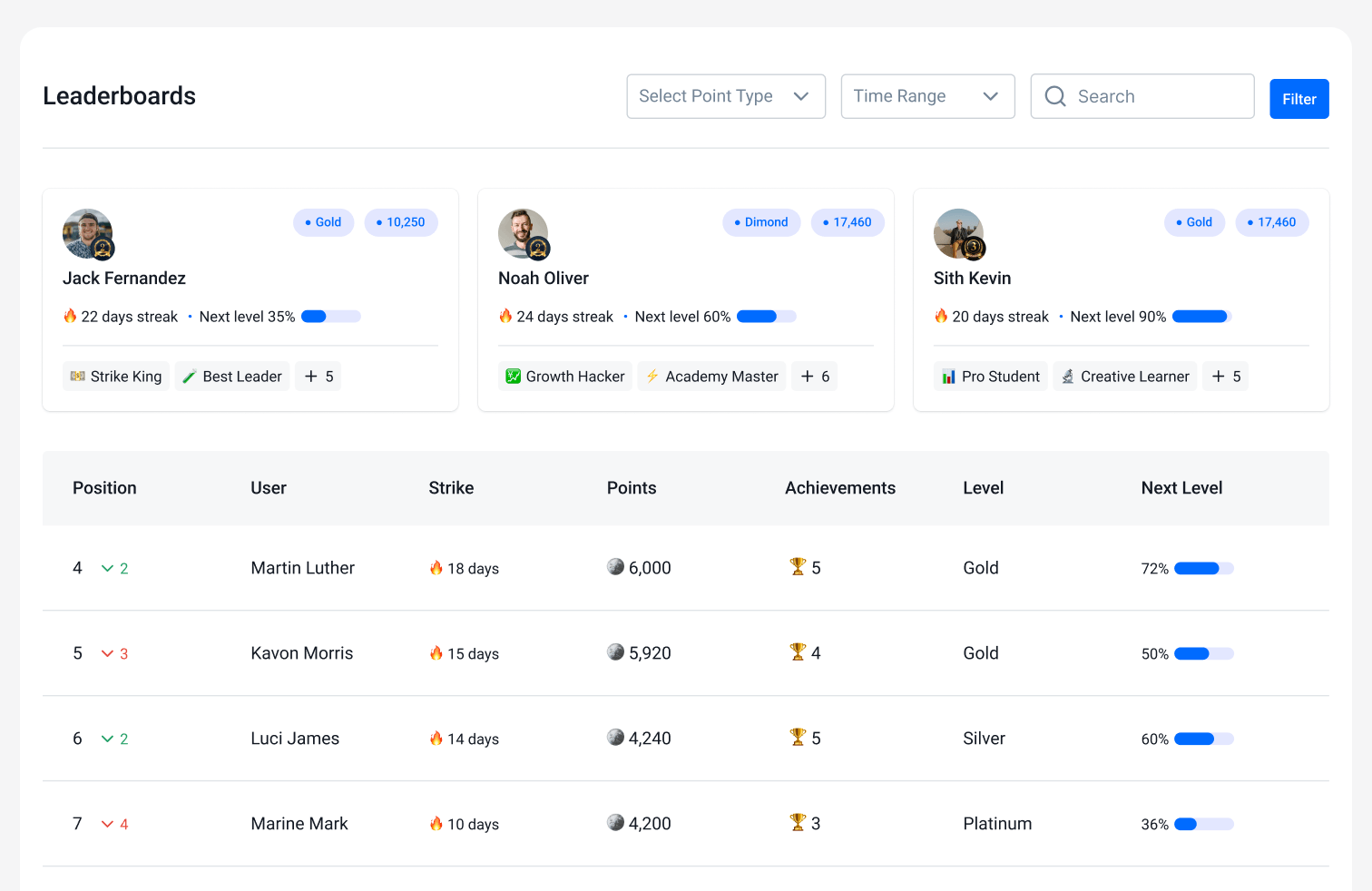
Leaderboards can enhance competition and app engagement among users.
Rewards and incentives
From clicks and purchases to course progress and community activity—every action can be tracked, rewarded, and turned into motivation through a gamified rewards program.
Instead of just running a website, you can now create a reward-driven ecosystem where users feel encouraged to participate and progress.
Why Gamification Matters in 2026
Gamification is no longer optional—it’s a proven strategy used by top platforms to increase engagement and retention.
Here’s why it works:
1. It Creates Motivation
When users earn points or unlock achievements, they feel a sense of progress. This triggers intrinsic motivation and keeps them coming back.
2. It Builds Habit
Reward systems encourage repeated actions. Whether it’s logging in daily or completing tasks, gamification builds consistent user behavior.
3. It Improves Retention
Websites with gamification see significantly higher retention rates because users feel invested in their progress.
4. It Increases Conversions
Rewarding actions like purchases, signups, or course completions directly impacts your bottom line.
GameEngine brings all these benefits into WordPress—without complexity.
Why We Built GameEngine
At Kodezen, we’ve built products for learning, ecommerce, and content platforms. But one problem kept showing up:
Users don’t stay engaged long enough, which is why app engagement strategies are crucial.
We explored existing solutions and found common issues:
Too many add-ons required
Complex setup processes
Limited integrations
Performance issues
So we decided to build something better.
GameEngine was created with one clear goal:
Give WordPress users a complete gamification system—without the usual headaches.
What Makes GameEngine Different?
1. All-in-One Gamification System
Most plugins require multiple add-ons to unlock full functionality.
GameEngine is different.
It includes everything you need out of the box:
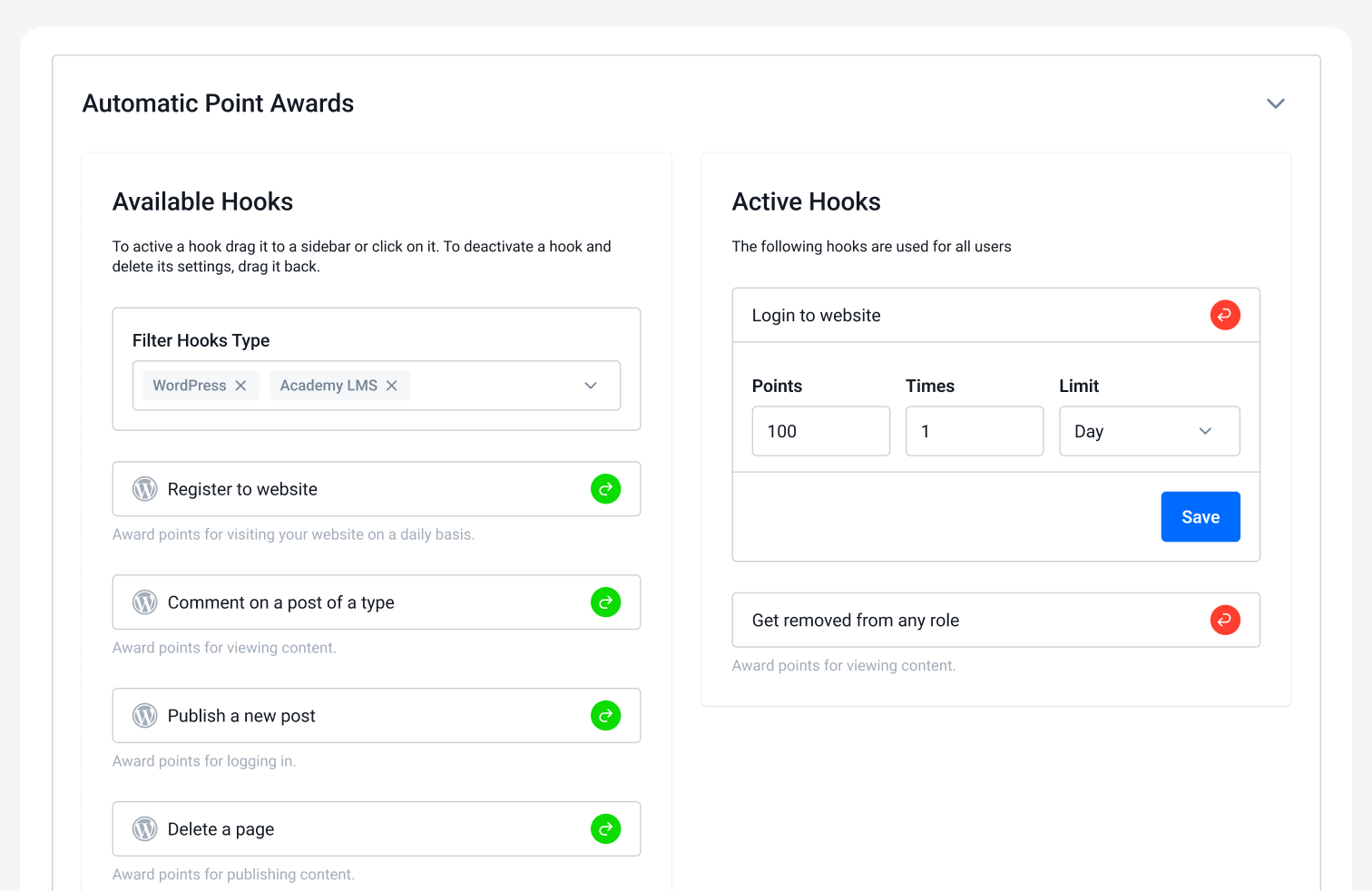
Points system can be designed to provide value rewards for user achievements.
Achievement badges
User levels
Leaderboards
Visual progress tracking
No extra purchases. No complicated setups.
2. Built for Real Engagement (Not Just Points)
Gamification is not just about giving points—it’s about creating meaningful experiences.
With GameEngine, you can create a leaderboard to track user progress and engagement.
Reward meaningful user actions
Unlock content based on achievements
Create progression paths that incorporate levels and types of rewards to enhance motivation.
Build long-term engagement loops through a rewards program that keeps users coming back.
This transforms your site into an engaging environment with gamification strategies. interactive journey that reinforces learning through gamification strategies., not just a platform.
3. A Complete Reward Economy
GameEngine goes beyond traditional gamification by introducing a reward economy system.
You can:
Create a rewards marketplace (coupon shop)
Offer voucher and redemption systems as part of your gamified rewards program.
Enable points withdrawals to encourage user participation in the mobile app.
Manage user wallets
This means users don’t just earn points—they can actually use them, which increases perceived value and engagement.
4. Seamless Integration with the Kodezen Ecosystem
GameEngine is deeply integrated into the Kodezen ecosystem, making it more powerful when combined with other tools.
You can:
Gamify courses with Academy LMS
Reward purchases through WooCommerce
Enhance store experiences with StoreEngine
This creates a unified system where learning, shopping, and engagement are connected.
5. Built for Performance
One of the biggest concerns with gamification plugins is speed.
GameEngine is designed with a gamified reward system to maximize user participation. performance-first approach, ensuring:
Fast loading times
Minimal impact on site speed
Scalable architecture
You get powerful features without slowing down your website.
Key Features of GameEngine
Here’s a quick overview of what you can do in a mobile app for gamifying user engagement:
Core Gamification
Points system
Badges and achievements
User levels
Leaderboards
Engagement Tools
Visual progress roadmap
Time-based rewards (happy hours)
Referral and affiliate system
Reward System
Rewards marketplace
Voucher and redemption codes
Wallet management
Points payouts
Monetization
WooCommerce points payments
Partial payments (cart discounts)
Role-based spending
Content Control
Restrict content
Unlock based on achievements
Admin & Management
Onboarding wizard
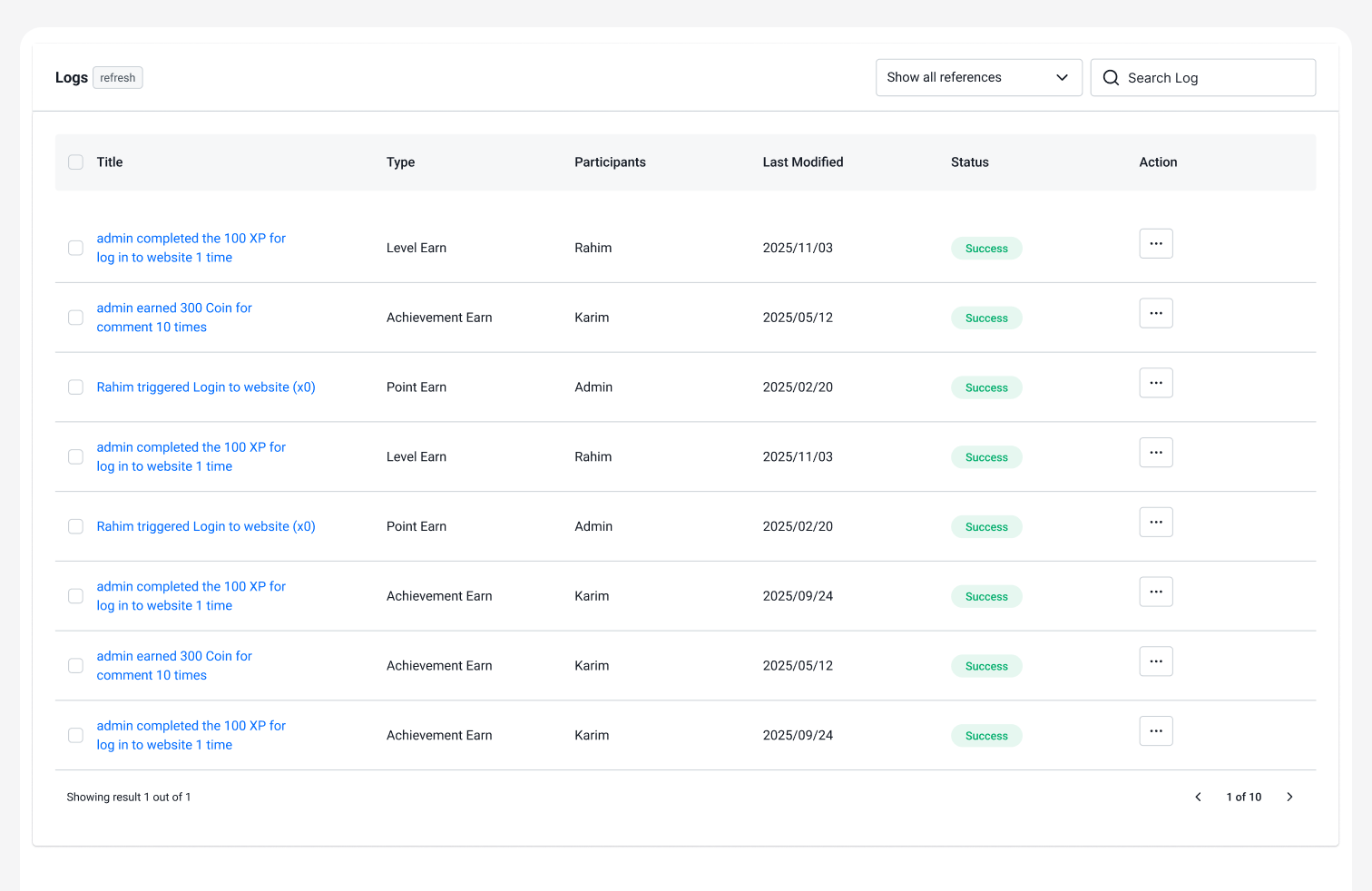
Admin activity logs
Email notifications
Who Should Use GameEngine?
GameEngine is built for anyone who wants to improve engagement on their WordPress site.
🎓 LMS & Course Creators
Increase course completion rates by rewarding progress and achievements.
🛒 Ecommerce Store Owners
Encourage repeat purchases with points, rewards, and loyalty systems.
👥 Community Builders
Boost participation and activity with leaderboards and rewards.
📈 Membership Sites
Keep users engaged and subscribed with gamified experiences.
Real Use Cases
1. Gamified Online Courses
Reward students for completing lessons, quizzes, and milestones with rewards like badges and points.
2. Ecommerce Loyalty Programs
Give points for purchases and allow users to redeem rewards.
3. Community Engagement Systems
Encourage posting, commenting, and interaction.
4. Content Unlock Systems
Lock premium content and unlock it through achievements in a gamified rewards program.
Early Bird Offer (Limited Time)
To celebrate the release, we’re offering a special launch deal:
🔥 Get up to 67% OFF on Earlybird offer
This is the best opportunity to get GameEngine at a significantly reduced price.
Early adopters also benefit from:
Lower pricing
Early access to new features
Priority updates
GameEngine vs Traditional Gamification Plugins
Most gamification plugins follow a similar pattern:
Basic features are free
Advanced features require add-ons
Costs increase quickly
GameEngine takes a different approach to gamification strategies that foster user loyalty.
Everything is included from the start.
This makes it:
Easier to use
More cost-effective
Faster to implement
The Future of Gamification in WordPress
Gamification is not just a trend—it’s the future of user engagement.
Websites are evolving into:
Interactive platforms
Reward-driven ecosystems
Experience-focused environments
GameEngine is built to help you stay ahead of this shift towards gamified reward systems.
Get Started with GameEngine
If you want to:
Increase user engagement
Improve retention
Boost conversions by integrating virtual rewards into your strategy.
Build a reward-driven experience that incorporates types of gamification rewards.
GameEngine is the solution.
Early Bird Offer
To celebrate the launch of GameEngine, we’re offering a limited-time Early Bird deal.
Get up to 67% off on Earlybird offer.
1 Site Yearly $79/year (regular $129)
1 Site Lifetime $99 one-time (regular $299)
Get full access to all features with no add-ons required. Prices will increase after the offer ends.
GameEngine is more than just a plugin. It’s a complete system designed to transform how users interact with your website.
By combining gamification, rewards, and monetization, it helps you create experiences that users actually enjoy.
And the best part? You can implement game-like elements to boost user interaction.
You don’t need multiple tools or complex setups.
Everything is built into one powerful engine.
FAQs
1. What is a gamified rewards program and how does it work?
A gamified rewards program uses game mechanics like points, badges, levels, and leaderboards to encourage user actions. By incorporating gamification, businesses can reward users for completing tasks such as purchases, course progress, or daily activity. These gamification rewards create a sense of accomplishment, provide instant feedback, and motivate continued engagement through small rewards and tangible incentives.
2. How does gamification boost customer engagement and retention?
Gamification works as a powerful marketing tactic by making interactions more interactive and enjoyable. When users earn points, unlock achievements, or get rewards, it builds emotional connection and encourages recurring behaviors. This helps boost engagement, improve customer retention, and build long-term customer loyalty as users continue to interact with your brand.
3. What are the most effective types of gamification rewards?
The most effective types of gamification rewards include:
Points and additional points for completing actions Badges and achievements for milestones Offering discounts and coupons Tangible rewards like payouts or store credits Opportunities to win exclusive perks
These rewards create motivation, make users feel special, and encourage desired behaviours through effective reward systems.
4. How can gamification improve student engagement and active learning?
Gamification plays a big role in student engagement by making learning more immersive and interactive. Using gamified elements like points for finishing lessons, progress tracking, and achievements, learners stay motivated. This approach supports active learning, encourages continued engagement, and turns education into a more gameful and rewarding experience.
5. Are there any risks or downsides to gamification?
While gamification is highly effective, there is a dark side of gamification if not implemented properly. Over-reliance on rewards can reduce intrinsic motivation, and poorly designed systems may feel repetitive. To avoid this, a good gamification design should focus on meaningful rewards, balanced game mechanics, and creating genuine engagement rather than just distributing rewards.
The WordPress ecosystem continues to evolve rapidly, especially when it comes to tools that help businesses manage customers, automate marketing, and scale efficiently. Today, we’re excited to introduce a new addition to the Kodezen ecosystem — GemCRM, a powerful WordPress CRM plugin built specifically to simplify customer relationship management and email marketing directly inside your WordPress dashboard.
If you’ve been searching for the best WordPress CRM plugins, or exploring alternatives to tools like FluentCRM, Jetpack CRM, or even HubSpot, this launch introduces a fresh, focused solution built for modern WordPress users.
A New Product in the Kodezen Ecosystem
For years, Kodezen has been building tools designed to empower WordPress users — from LMS platforms to WooCommerce solutions. With GemCRM, the focus shifts toward customer relationship management, marketing automation, and email campaigns.
This is not just another plugin for WordPress. It’s a complete CRM system built to work within your WordPress website, without relying on external CRM platforms or expensive SaaS tools.
GemCRM is designed to fit seamlessly into your workflow — whether you’re managing a small business, running a WordPress site, or scaling a full digital product ecosystem.
Why WordPress Needs a Better CRM Solution
Many businesses today rely on external CRM tools. While platforms like HubSpot CRM or Zoho CRM offer powerful features, they often come with limitations:
Monthly or yearly recurring costs
Complex dashboards outside WordPress
Data scattered across multiple systems
Integration challenges with WordPress plugins
Even when using a free CRM or a free version of popular tools, users often face restrictions that limit growth.
This is where a WordPress CRM plugin like GemCRM becomes essential.
Instead of managing your contacts, email marketing, and automation outside your website, GemCRM allows you to do everything directly inside WordPress — giving you full control over your data, workflows, and customer interactions.
What is GemCRM?
GemCRM is a CRM plugin for WordPress that combines contact management, email marketing automation, and campaign management into a single, unified platform.
Unlike many CRM plugins, GemCRM is built specifically for WordPress from the ground up. That means:
No external CRM dependency
No need to leave your WordPress dashboard
Seamless integration with WordPress users and database
A clean and simple interface designed for usability
It’s not just a CRM tool — it’s a complete marketing automation plugin tailored for WordPress.
Core Features of GemCRM
GemCRM brings together essential CRM features and advanced marketing tools in one place. Here’s what you can expect:
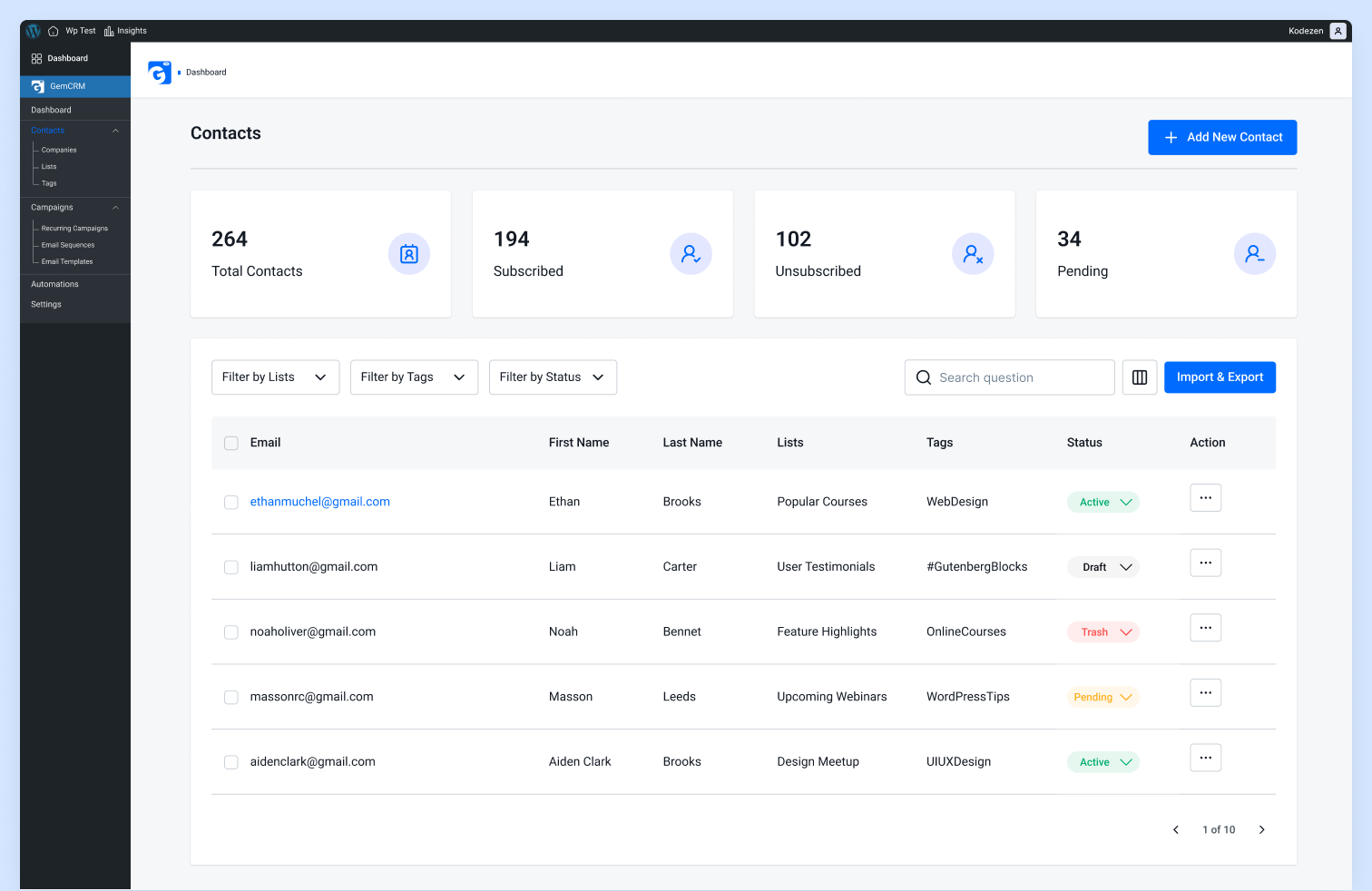
Contact Management & Segmentation
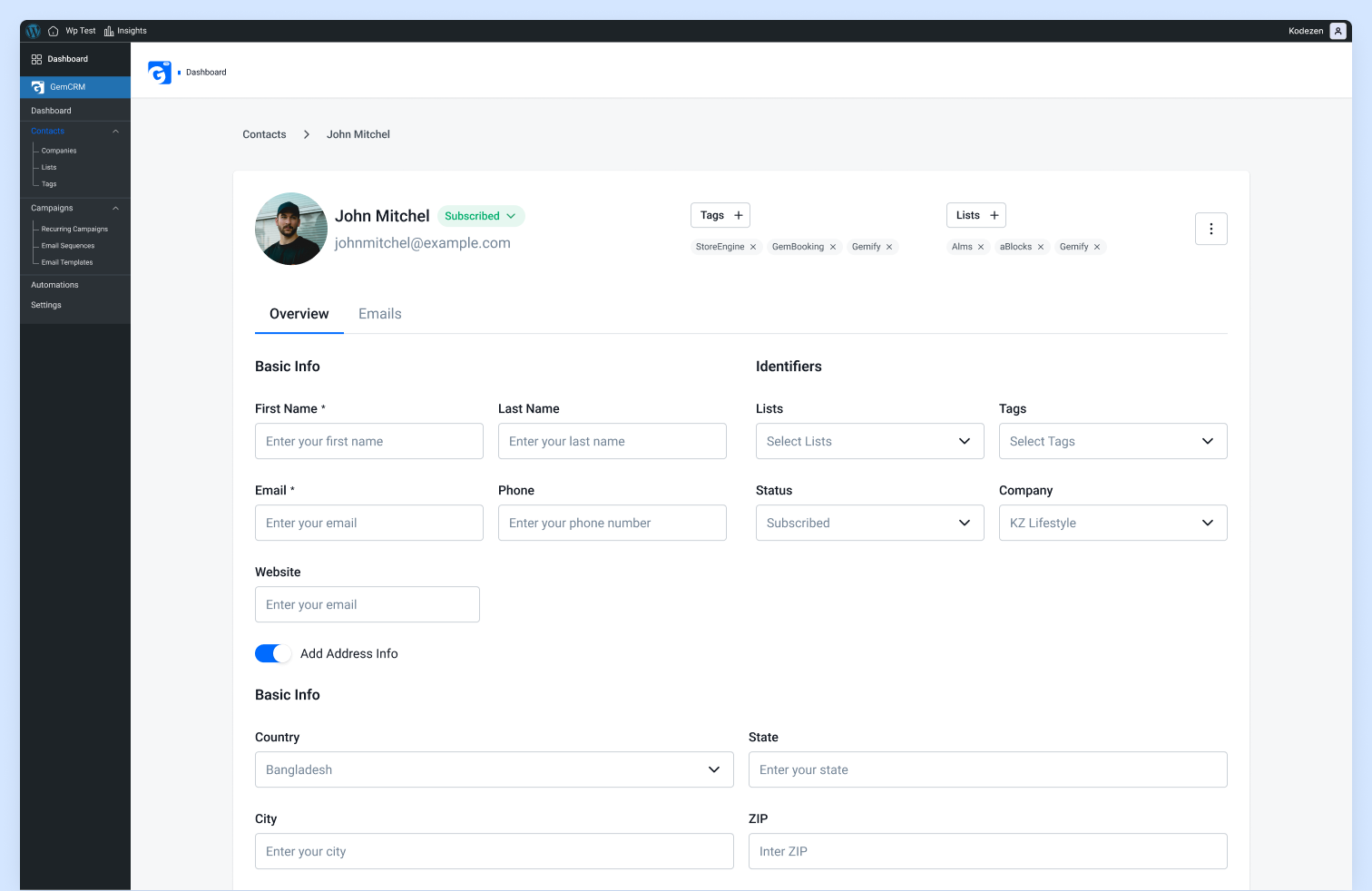
Manage all contacts and subscribers inside your WordPress database
Use lists and tags for better segmentation
Organize customer data efficiently
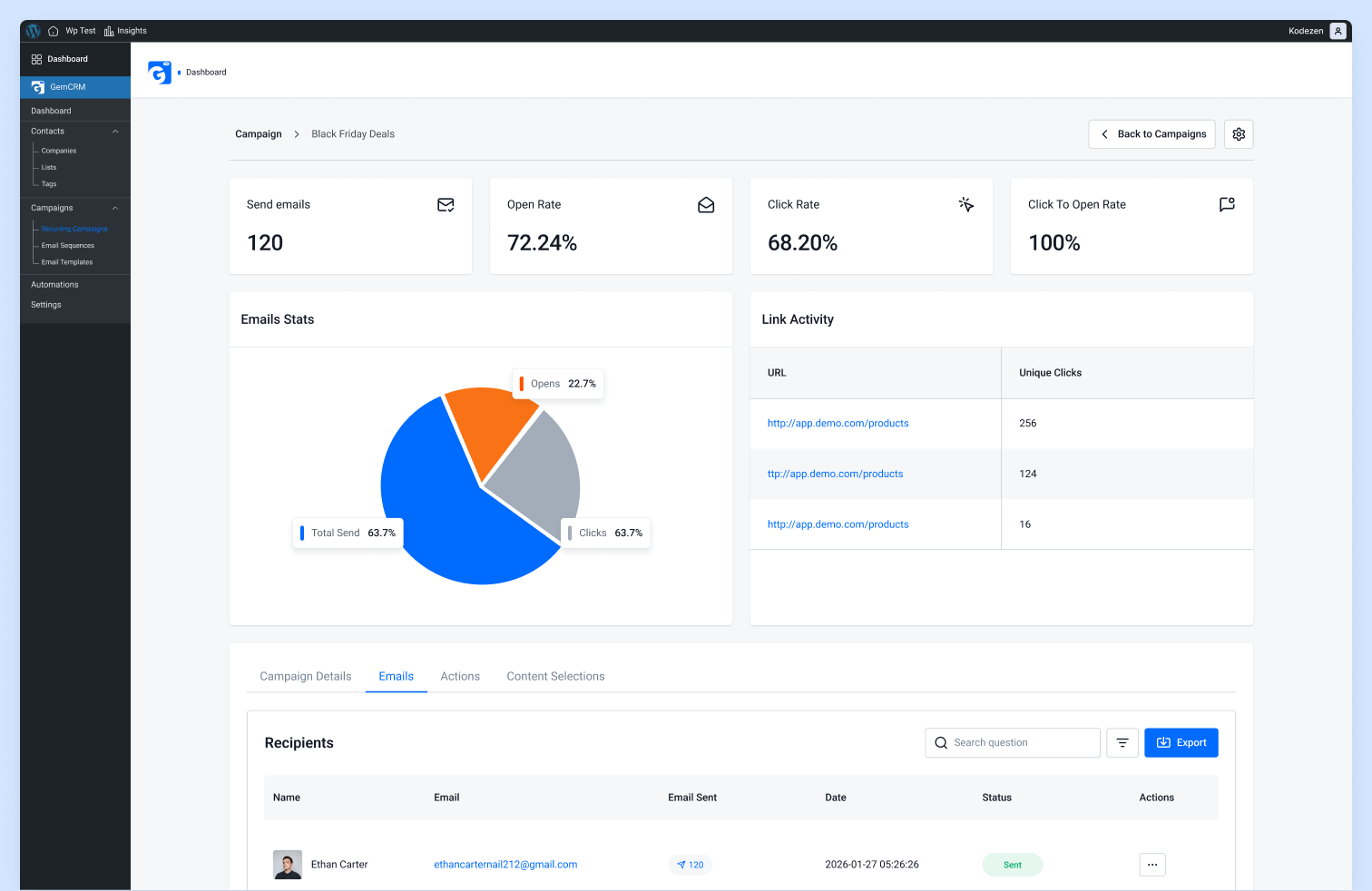
Email Marketing & Campaigns
Create and send email campaigns directly in your WordPress dashboard
Target users based on lists and tags
Run recurring campaigns for continuous engagement
Email Marketing Automation
Automate workflows based on user actions
Build sequences for nurturing leads
Improve engagement through smart automation
WordPress-Native Integration
Sync WordPress users automatically
Capture leads from comments and forms
Manage everything within your WordPress website
Analytics & Reporting
Track campaign performance
View reports inside your dashboard
Monitor customer engagement easily
These features make GemCRM one of the most promising CRM plugins for WordPress in 2026.
Built for WordPress — Not Adapted to It
Many CRM platforms claim WordPress integration, but most are built as external CRM systems with connectors.
GemCRM takes a different approach.
It is built specifically for WordPress, meaning:
It works directly within your WordPress dashboard
It uses your WordPress database efficiently
It integrates naturally with other WordPress plugins
This results in a smoother, faster experience compared to external CRM tools.
GemCRM vs Traditional CRM Platforms
Let’s consider how GemCRM compares with traditional CRM software:
Feature
GemCRM
External CRM
Runs inside WordPress
Yes
No
Requires external dashboard
No
Yes
Monthly cost
No (LTD available)
Yes
WordPress integration
Native
Limited
Data ownership
Full
Partial
For businesses looking for a CRM solution without leaving WordPress, GemCRM offers a strong alternative.
A Simpler Approach to Marketing Automation
Marketing automation often becomes complicated due to:
Multiple tools
Complex setups
Integration issues
GemCRM simplifies this by combining:
CRM
Email marketing tool
Automation system
All inside your WordPress plugin environment.
This makes it easier for businesses to:
Capture leads
Manage contacts
Send email campaigns
Automate customer journeys
Without switching between platforms.
Who Should Use GemCRM?
GemCRM is designed for a wide range of WordPress users:
Small Businesses
A cost-effective CRM for small businesses looking to manage contacts and email marketing without recurring fees.
Agencies
Manage multiple clients using a single CRM platform built into WordPress.
Course Creators
Perfect for LMS platforms to handle student communication and engagement.
eCommerce Stores
Integrate with WooCommerce and manage customer relationships efficiently.
Best WordPress CRM Plugins in 2026 — Where GemCRM Stands
When discussing the best CRM plugins for WordPress, names like FluentCRM, Jetpack CRM, and WP-CRM System often come up.
However, GemCRM introduces several advantages:
Simpler UI compared to complex CRM platforms
Built-in email campaigns and automation
Native WordPress experience
Lifetime deal pricing (no recurring cost)
This positions GemCRM as a strong contender among the best WordPress CRM plugins available today.
CRM Features That Matter Most
When choosing the right WordPress CRM plugin, businesses should focus on:
Contact management
Email marketing automation
Integration with WordPress
Ease of use
Pricing flexibility
GemCRM addresses all these areas while maintaining a clean and user-friendly experience.
Free CRM vs Paid CRM — What to Consider
Many users start with a free WordPress CRM plugin, but eventually face limitations such as:
Restricted features
Limited automation
Branding or usage limits
GemCRM offers a different approach with a lifetime pricing model, making it a strong option for users looking to avoid recurring costs.
Why GemCRM is Different
Here are a few aspects that make GemCRM stand out:
Works directly inside your WordPress dashboard
No need for external CRM platforms
Simplified marketing automation
Built for performance and ease of use
Focused roadmap based on real user needs
It’s not trying to be everything — instead, it focuses on being the right WordPress CRM for practical use cases.
The Future of CRM in WordPress
As more businesses move toward self-hosted solutions, the demand for CRM plugins inside WordPress continues to grow.
Tools that offer:
Full data ownership
Seamless integration
Cost efficiency
Will likely shape the future of CRM systems.
GemCRM is built with this direction in mind.
Early Bird Offer — Limited Time
Launch GemCRM today and lock in a one-time lifetime deal — no recurring fees, ever.
The launch of GemCRM marks an important step in expanding the Kodezen ecosystem into CRM and marketing automation.
For users looking for:
A CRM plugin for WordPress
A marketing automation tool
A solution that works within the WordPress dashboard
GemCRM presents a compelling option.
Whether you’re comparing it with FluentCRM, Jetpack CRM, or exploring alternatives to external CRM platforms like HubSpot CRM — GemCRM offers a fresh perspective focused on simplicity, control, and efficiency.
Ready to Get Started?
If you’re searching for the best free WordPress CRM, or a powerful CRM solution built for long-term growth, GemCRM is worth exploring.
Take control of your contacts, automate your email campaigns, and manage your customer relationships — all inside your WordPress site.
Welcome to the next generation of WordPress CRM.
Frequently Asked Questions
1. What is the best WordPress CRM plugin for email marketing and automation?
The best WordPress CRM plugin depends on your needs, but tools like GemCRM offer a complete solution for CRM and marketing automation directly inside your WordPress dashboard. It combines contact management, email marketing, and automation in one platform without relying on external tools like FluentCRM.
2. Is there a free WordPress CRM plugin available?
Yes, there are several free WordPress CRM plugin options available. A free version usually includes basic contact management features. However, for advanced CRM plugins, email campaigns, and marketing automation, premium or lifetime plans like those offered by GemCRM provide more scalability.
3. Why should I use a CRM plugin for WordPress instead of external CRM tools?
Using a CRM plugin for WordPress allows you to manage your customer relationship, email marketing, and automation directly inside your WordPress website. This eliminates the need for external CRM platforms, reduces costs, and ensures better data control within your WordPress database.
4. What features should I look for in the best CRM plugins for WordPress?
When choosing the best CRM plugins for WordPress, look for features like contact management, email marketing automation, list and tag segmentation, campaign tracking, and seamless integration within your WordPress dashboard. A good CRM solution should also be easy to use and built specifically for WordPress.
5. Which is the right WordPress CRM for small businesses?
The right WordPress CRM depends on your business size and goals. For small businesses, a CRM that offers email marketing, automation, and simple contact management inside WordPress is ideal. Plugins like GemCRM are designed to be lightweight, cost-effective, and easy to manage for growing businesses.
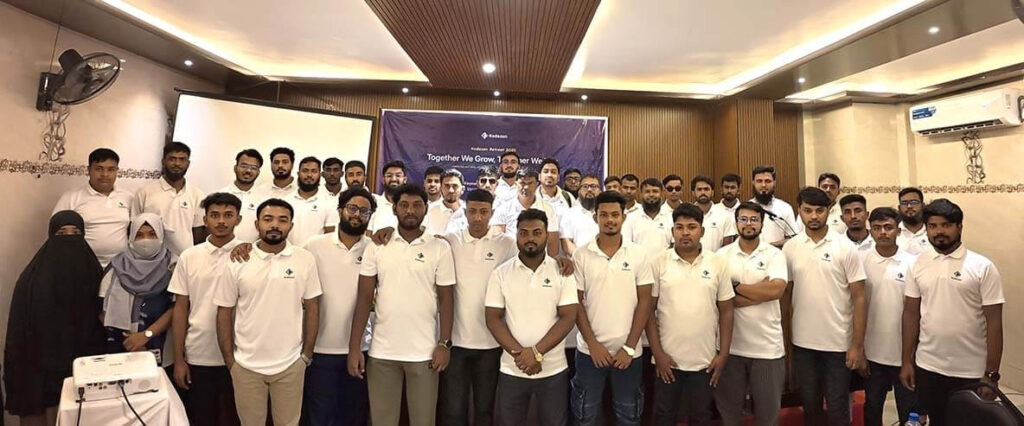
In 2025, a team of 45 people at Kodezen started the year with one clear goal: to turn a small set of products into a complete WordPress ecosystem.
At the beginning of the year, Kodezen had two established products in active growth: Academy LMS and aBlocks.
What followed was not a branding exercise. It was an execution challenge.
An ecosystem means maintaining multiple product categories at once—learning, website building, eCommerce, community, content systems, and internal workflows—while keeping everything stable for real businesses. It means shipping continuously, expanding scope, and earning trust with every release.
Throughout 2025, the team shipped hundreds of releases across products, introduced hundreds of new features, fixed thousands of issues, and improved workflows that users already depended on in production. In parallel, we produced hundreds of documentation updates, tutorials, videos, and design improvements so users could adopt changes with confidence—not confusion.
This year was also about expansion.
In 2025, Kodezenreleased five new products, each built to solve a specific system-level gap inside WordPress:
QuizPress (quiz, assessment, and certification engine)
Alongside Academy LMS and aBlocks, this brought the total ecosystem to seven actively developed products—designed to work together, not compete for space.
Every update affected real businesses. Every release carried responsibility. There were no shortcuts—only steady execution, feedback, and system-level thinking.
By the end of the year, the result was clear.
Kodezen is no longer a collection of plugins. Kodezen is now a WordPress ecosystem.
The Work Behind the Ecosystem — In Numbers
In 2025, Kodezen did not grow by adding noise. We grew by shipping, fixing, improving, and supporting real products used in real businesses.
Behind the idea of a “WordPress ecosystem” was a year of sustained execution—across releases, features, fixes, content, and people.
Here is what that work looks like in numbers.
Ecosystem-Level Impact
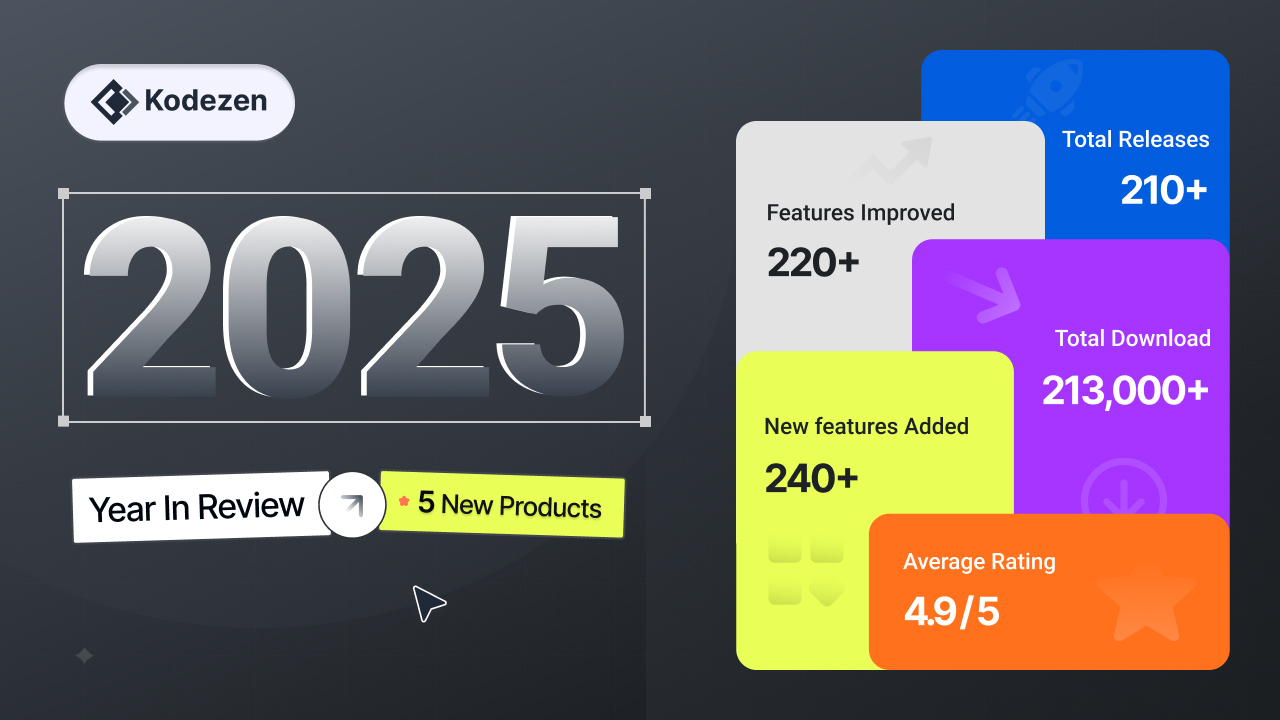
Total downloads across products: 213,000+
Average product rating: ⭐ 4.9 / 5
Total releases shipped: 210+
New features added: 240+
Bug fixes delivered: 600+
Existing features improved: 220+
These updates were not experimental. They were deployed on live sites running learning platforms, stores, communities, and others.
Product Execution Breakdown
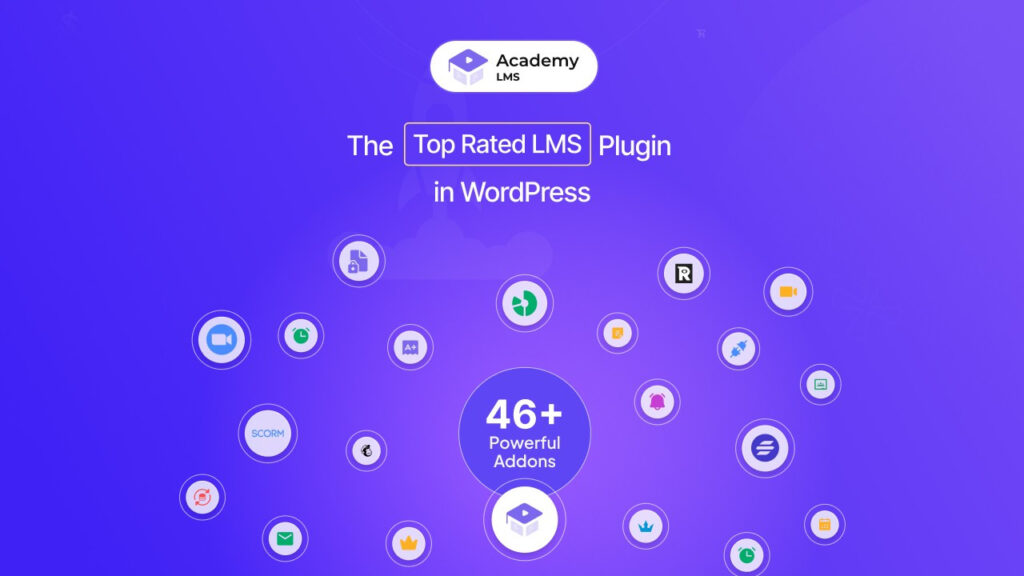
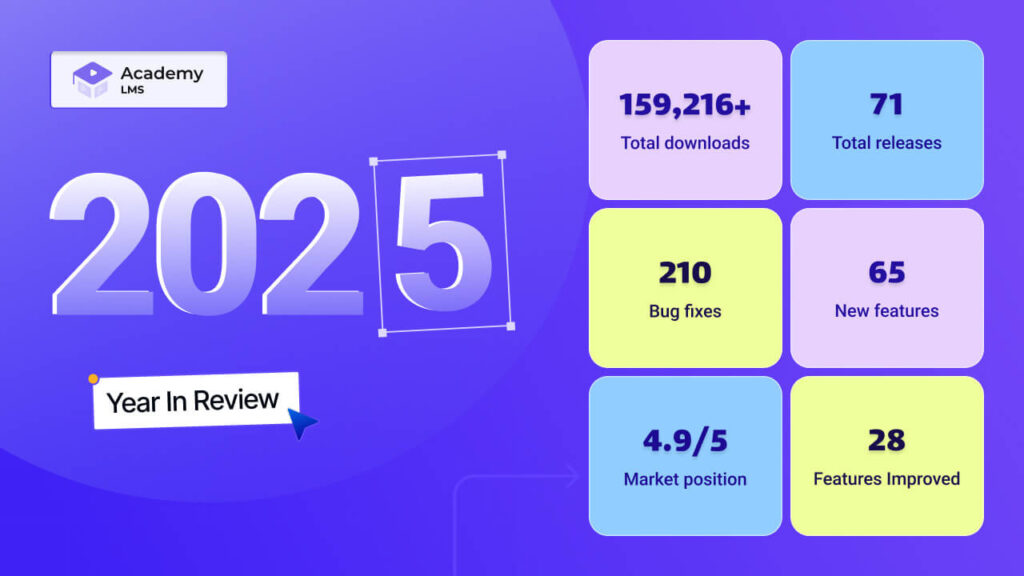
Academy LMS — Top Rated LMS Plugin in WordPress
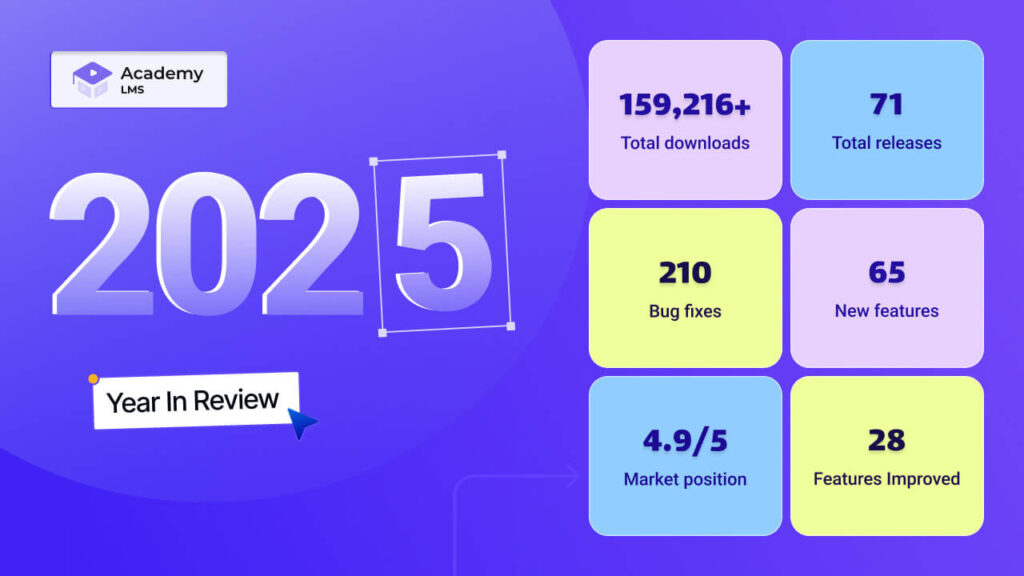
All-time downloads:159,216+
Market position: ⭐ Top Rated LMS on WordPress.org
Total releases:71 (Free 38, Pro 33)
New features added:65
Bug fixes:210
Existing features improved:28
Academy LMS evolved into a business-ready learning platform with AI-powered course creation, native payments, memberships, subscriptions, group training, advanced analytics, device restriction, content drip, and deep StoreEngine integration.
It was built to support every major course business model—not demos, but real operations.
aBlocks — Complete Website System Builder
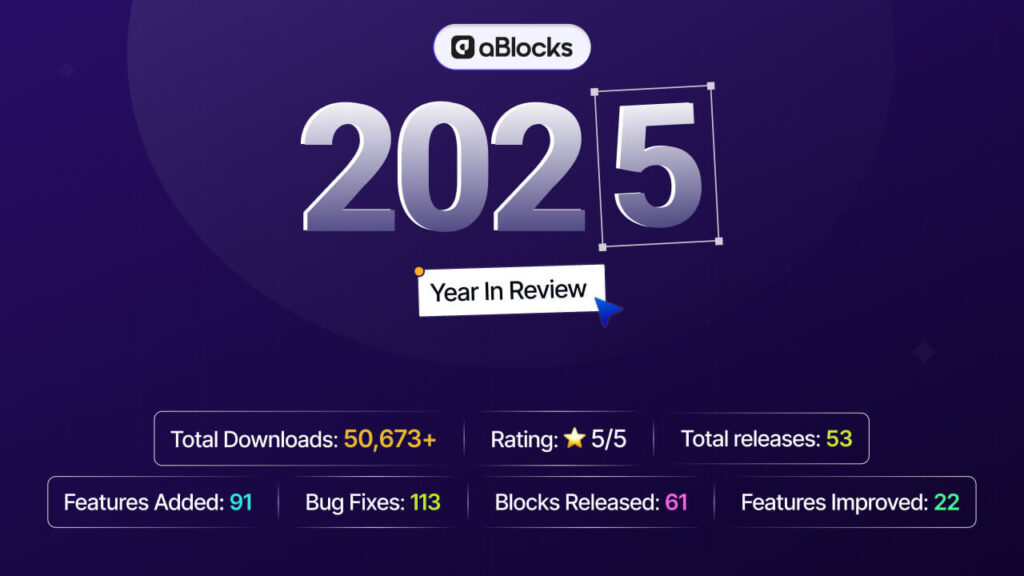
All-time downloads:50,673+
Average rating: ⭐ 5 / 5
Total releases:53 (Free 31, Pro 22)
New features added:91
New blocks released:61
Bug fixes:113
Existing features improved:22
aBlocks moved far beyond page building. It became a full website system—covering theme building, dashboards, dynamic content, forms, animations, LMS blocks, and eCommerce layouts—inside one plugin.
StoreEngine — Complete eCommerce Engine
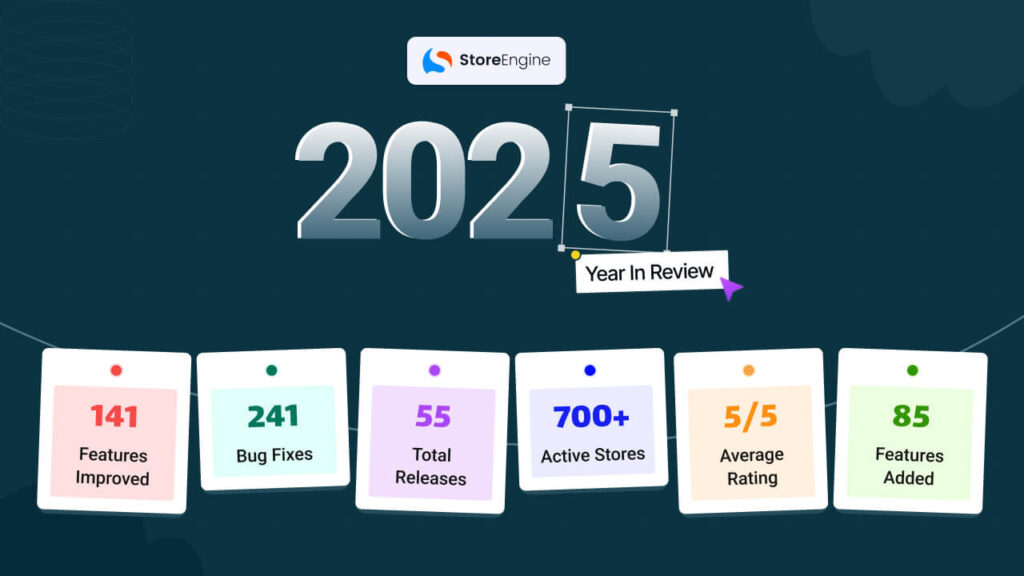
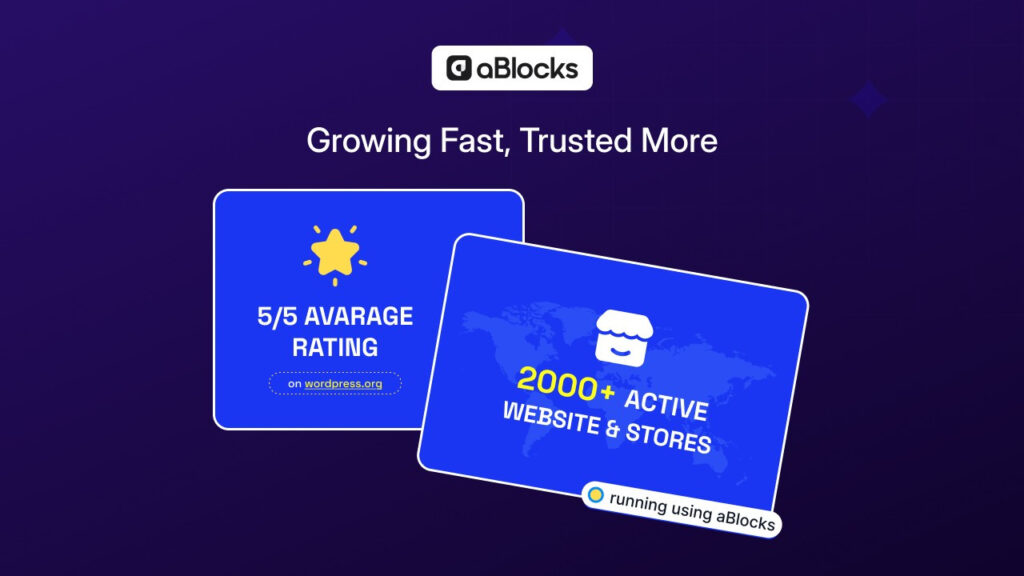
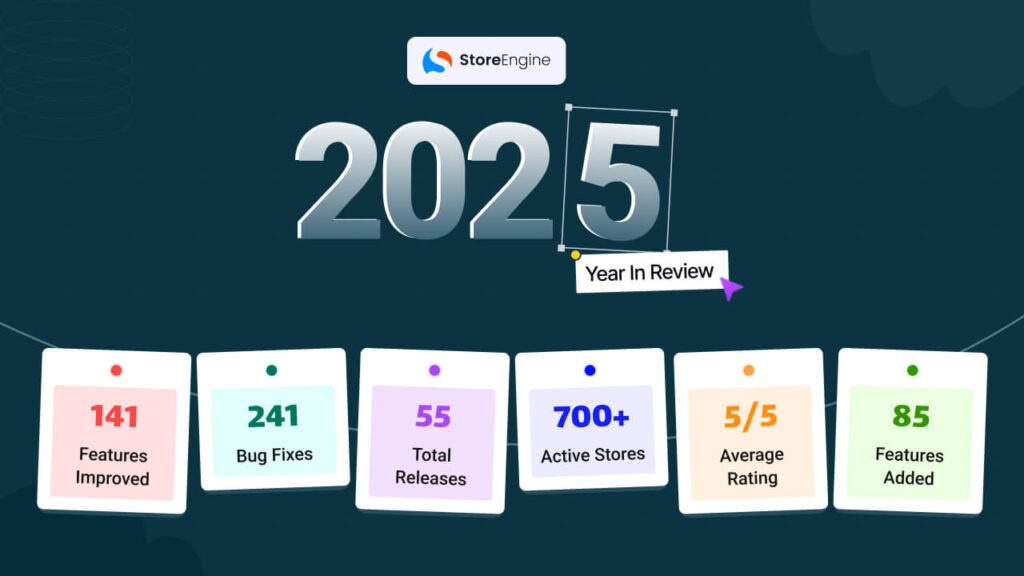
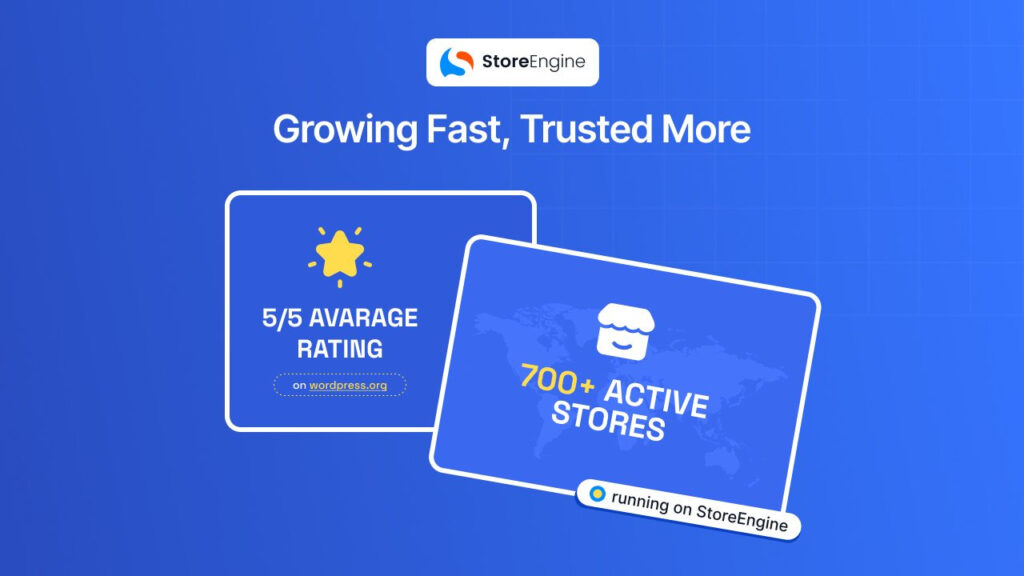
Active stores:700+
Average rating: ⭐ 5 / 5
Total releases:55 (Free 40, Pro 15)
New features added:85
Bug fixes:241
Existing features improved:141
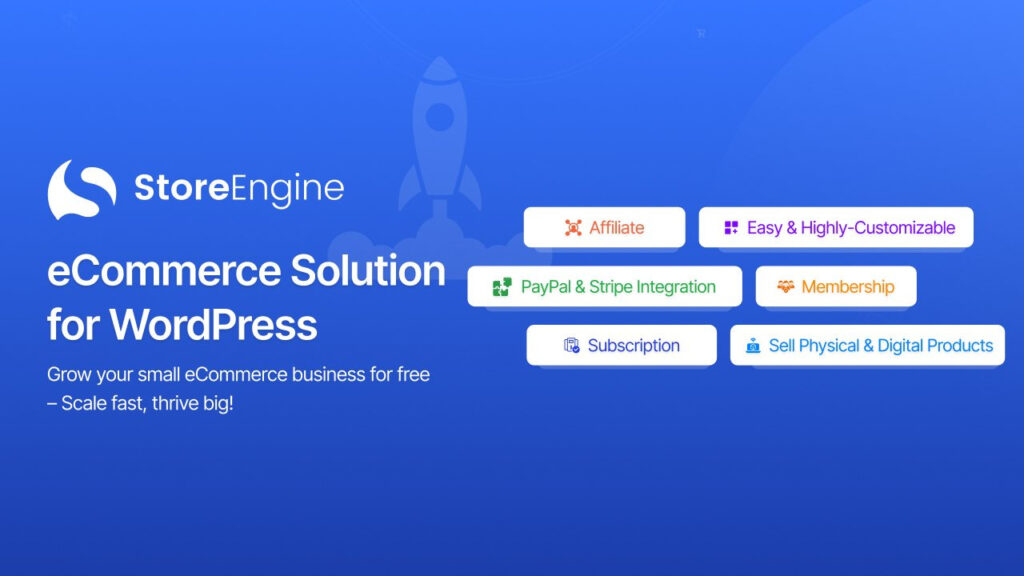
Launched in 2025, StoreEngine matured fast. Payments, subscriptions, digital delivery, licensing, checkout control, growth tools, analytics, shipping, and LMS commerce were brought under one roof—without forcing users to buy extra plugins.
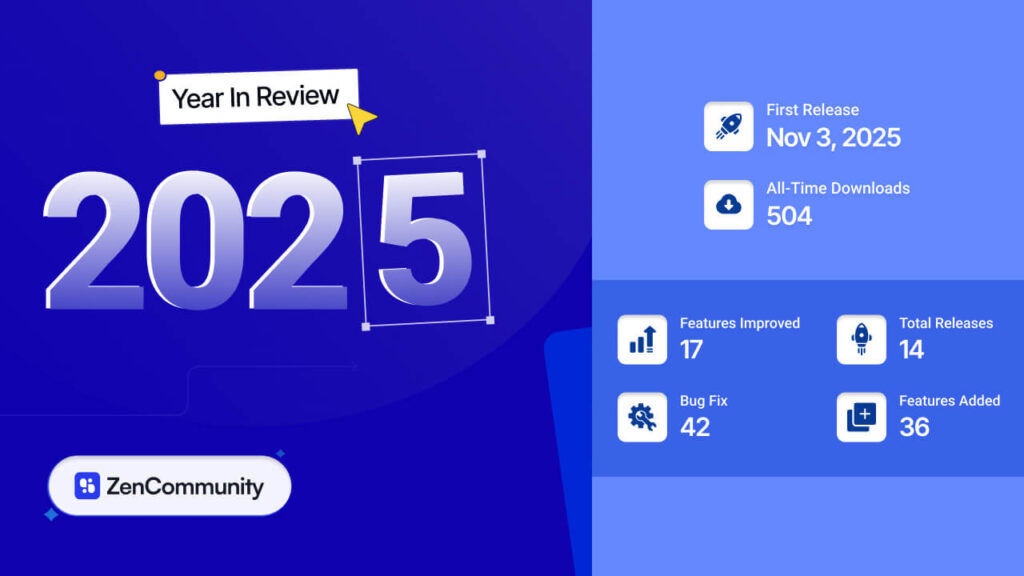
ZenCommunity — Real-Time Community, Support & Live Chat
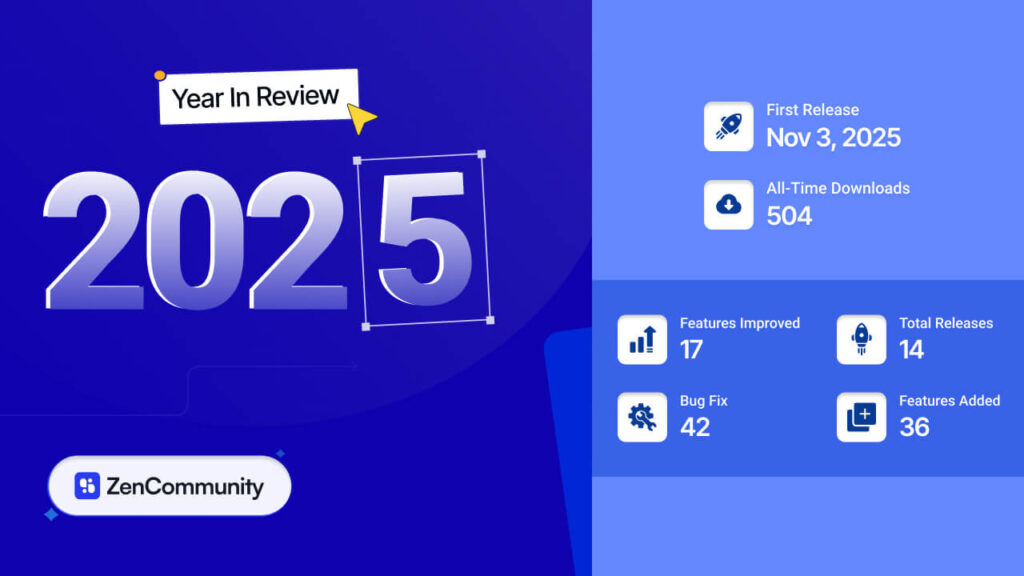
First release:Nov 3, 2025
All-time downloads:504
Total releases:14
New features added:36
Bug fixes:42
Existing features improved:17
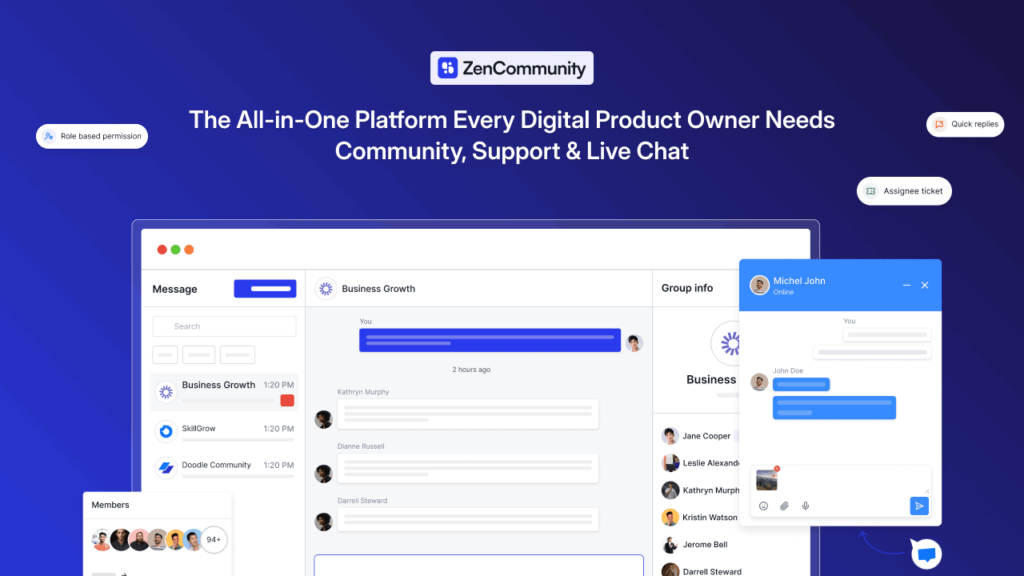
ZenCommunity combined real-time community, support tickets, and live chat into one system. Today, Kodezen runs its own customer community and support fully on ZenCommunity.
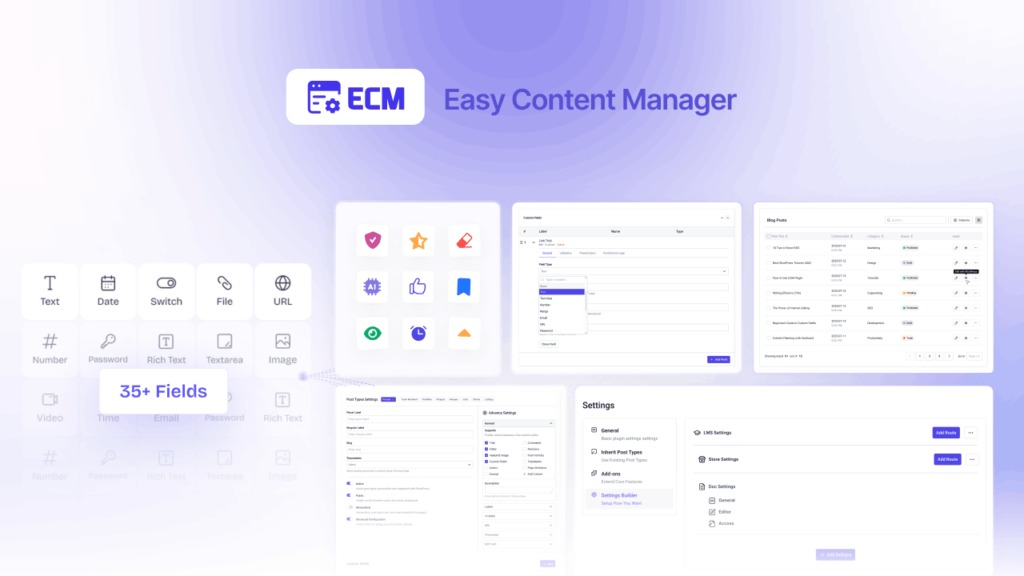
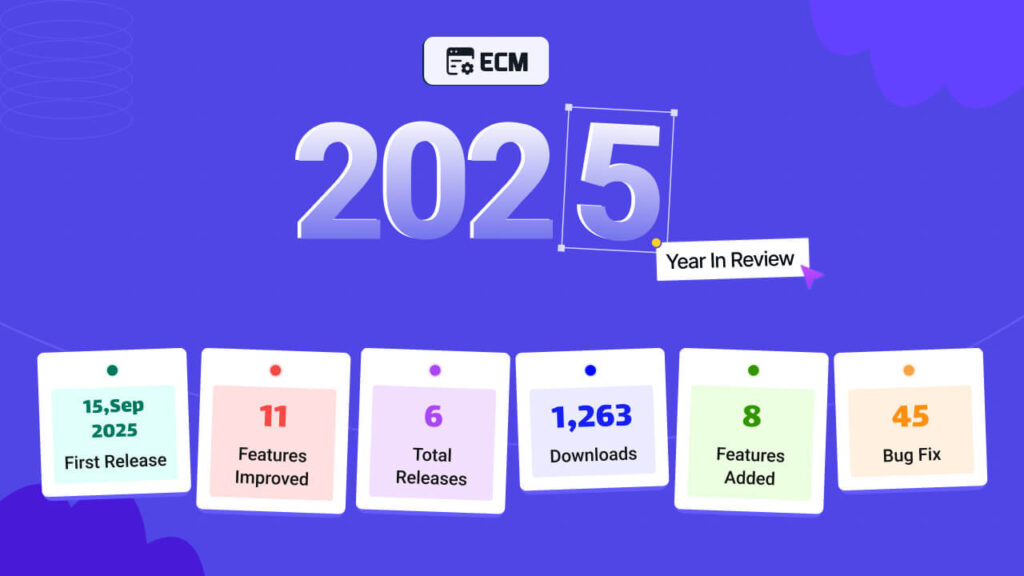
Easy Content Manager (ECM) — Modern Content Infrastructure
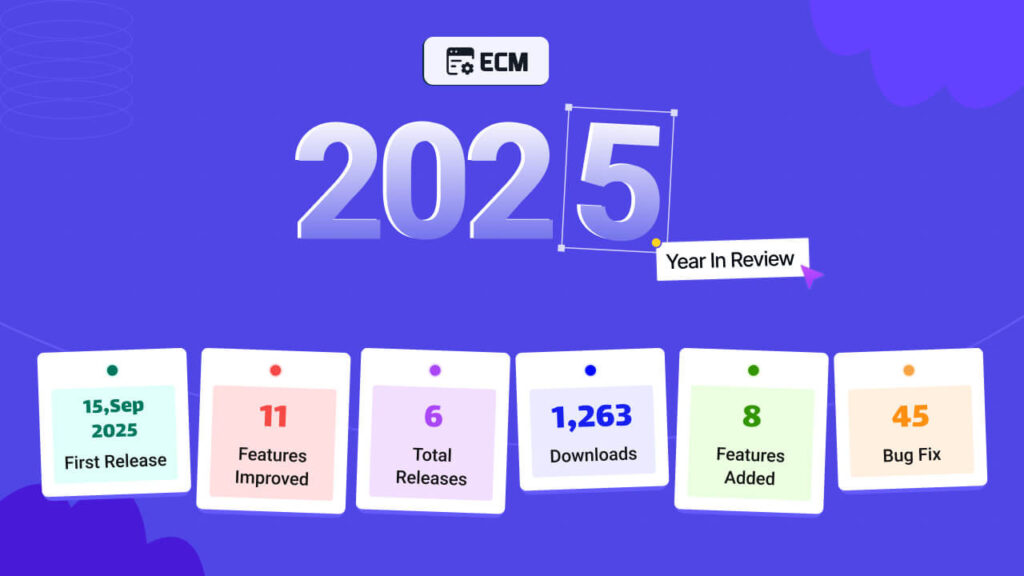
First release:Sep 15, 2025
All-time downloads:1,263
Total releases:6
New features added:8
Bug fixes:45
Existing features improved:11
ECM expanded WordPress content control beyond classic custom fields—bringing modern content management, taxonomies, dashboards, and engagement add-ons into one system.
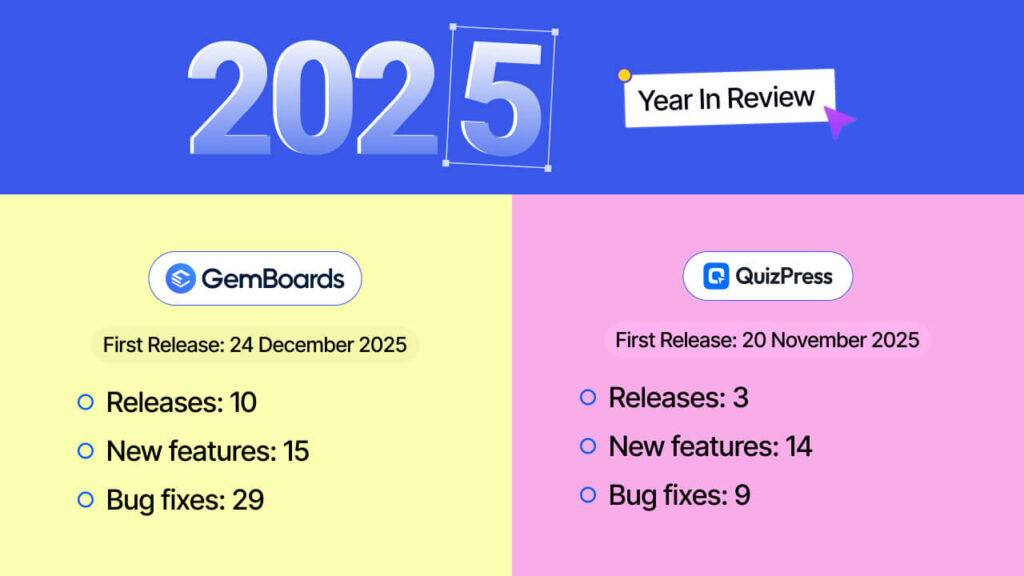
QuizPress & GemBoards — Emerging Platforms
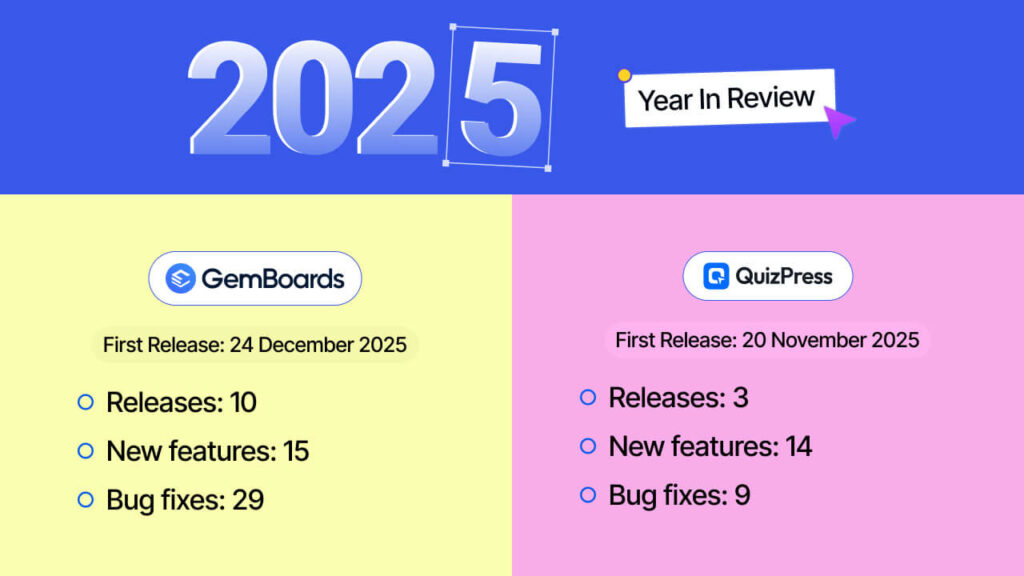
QuizPress
First Release: 20 November 2025
Releases: 3
New features: 14
Bug fixes: 9
GemBoards
First Release: 24 December 2025
Releases: 10
New features: 15
Bug fixes: 29
Both products entered beta with focused goals—assessment for learning and workflow management—while fitting naturally into the larger ecosystem.
Support, Content & Product Education
The shipping code was only part of the work.
In 2025, Kodezen also delivered:
Support Tickets Handled: 12195+
250+ documentation articles
100+ tutorial videos
100+ short-form reels
Continuous UI, UX, and website improvements across products
Every feature shipped came with explanation, onboarding, and long-term support.
The Team Behind the Numbers
Execution at this scale required people—not shortcuts.
In 2025:
Hundreds of candidates applied to join Kodezen
15+ new team members joined across engineering, product, support, and content
2 new employee benefit programs introduced
Annual team tour and recognition programs held
Top performers rewarded for impact, not output
The focus stayed clear: build carefully, grow responsibly, and protect product quality.
What Kodezen Achieved at a Glance Together in 2025
What we focused on building in 2025 was depth, connection, and clarity. What we achieved was a position.
By the end of the year, our most established products had earned clear roles in the WordPress market. Each one stood strong on its own, while also fitting into a broader ecosystem shaped by real usage, feedback, and long-term thinking.
Established Products and Their Market Position
Academy LMS – The Top-Rated LMS Plugin in WordPress
aBlocks – The Most Free Block Plugin and Complete System Builder
StoreEngine – Complete eCommerce Plugin with Built-in Growth Features
ZenCommunity – The only real-time community plugin in WordPress with support and live chat
These products represent the foundation of Kodezen today. They reflect the focus we set at the start of 2025: fewer tools, clearer roles, and systems that work better together.
Supporting Products That Complete the Ecosystem
Alongside our core products, we continued to strengthen tools built for specific workflows—tools that align closely with how teams manage content, collaboration, and engagement inside WordPress.
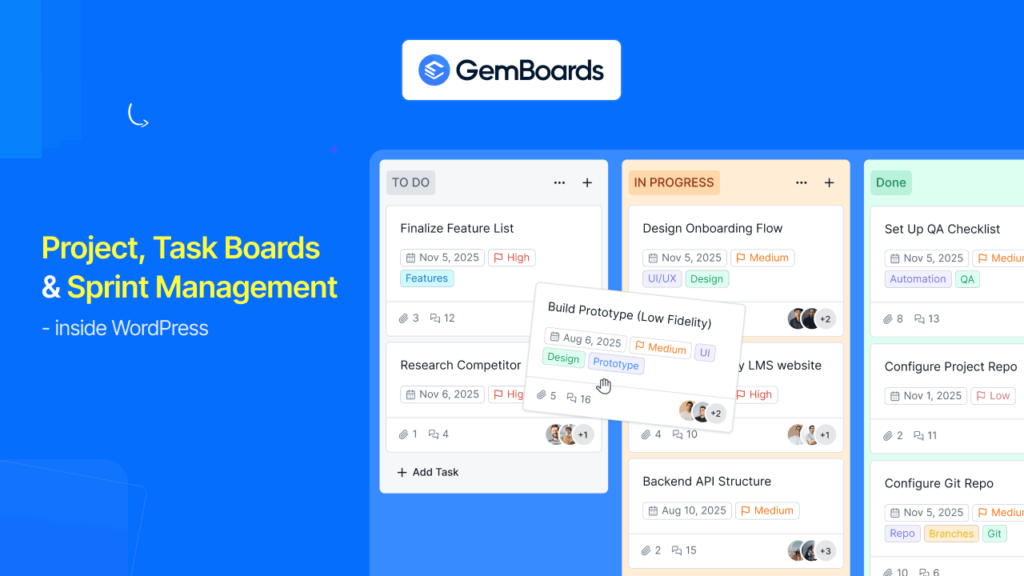
GemBoards – Visual task and workflow management inside WordPress
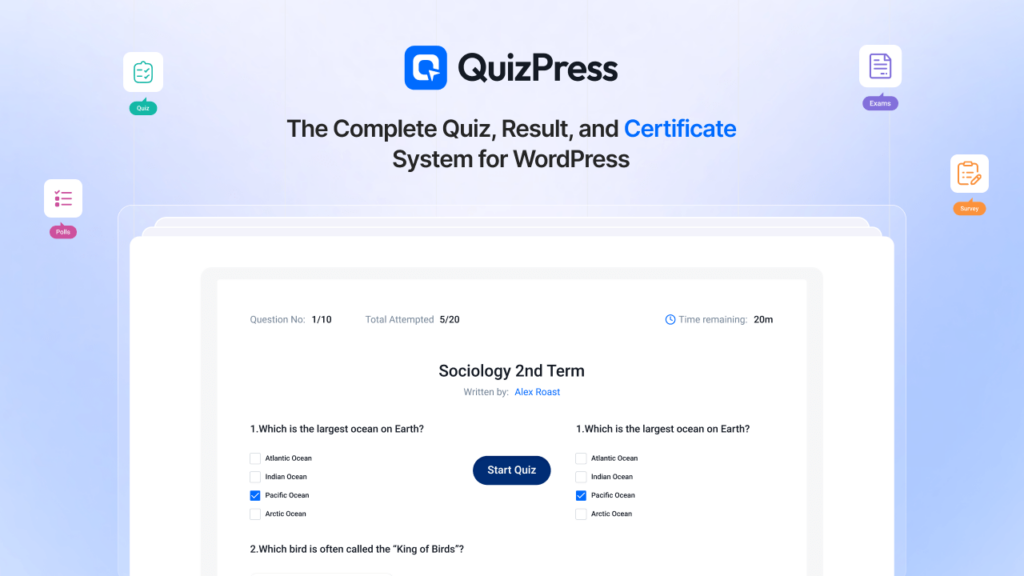
QuizPress – Advanced quiz, assessment, and certification for learning and engagement
These products may serve narrower use cases, but they play an important role in supporting the broader ecosystem we are building—especially for teams, educators, and growing businesses.
Kodezen at WordCamp: Connecting With the Community in 2025
In 2025, we joined multiple WordCamps—both locally and worldwide.
These events were not about promotion for us. They were about listening.
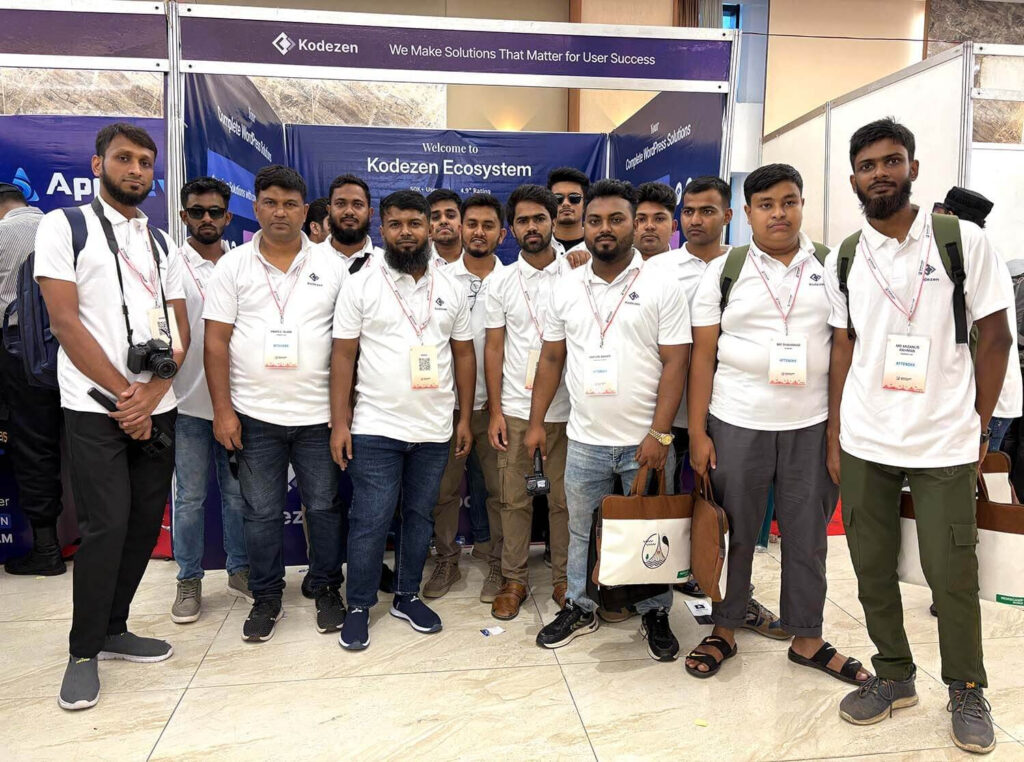
The most meaningful moment came at WordCamp Dhaka, where Kodezen participated as a sponsor. We had a booth. People stopped by. Conversations started naturally.
What followed stayed with us.
Users shared how our products were helping them in real projects. Course creators talked about smoother workflows. Store owners spoke about reduced complexity. Builders showed live sites they had built with our tools. These were not demos or testimonials we asked for. They were real stories, shared with honesty.
Hearing those experiences in person was powerful.
It reminded us that what we build reaches far beyond code.
WordCamp also gave us clarity. The questions people asked, the feedback they shared, and the problems they described helped us see our products through fresh eyes. Many of the ideas that shaped our roadmap came directly from those conversations.
After WordCamp, we brought that energy back to the team.
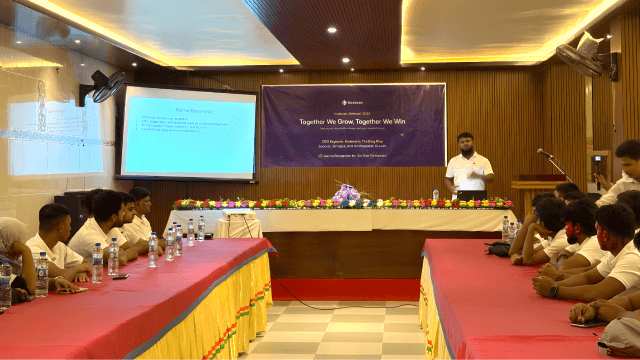
We organized an internal session with the full Kodezen team. We reviewed the year—what challenged us, what we achieved, and what needed improvement. We aligned on direction for the year ahead and recognized team members who made a real impact through their work.
That moment mattered.
It connected community feedback with internal purpose. It reminded us why we build the way we do—and who we build for.
WordCamp 2025 was not just an event for us.
It was a checkpoint. A validation. And a push forward.
Academy LMS: From Strong Potential to Market Leadership
By the end of 2024, Academy LMS was already performing well. But inside the team, there was a stronger feeling—this product could go much further.
We wanted Academy LMS to reach a leadership position in the WordPress LMS industry. Not by noise, but by depth. So at the beginning of 2025, we made a focused decision: understand the market fully, then outbuild it with care.
We analyzed every major LMS competitor. We mapped essential features, common gaps, and real user pain points. But we did not stop at matching what others had. We planned to go beyond—both in capability and experience.
One of our first priorities was speed and creation flow.
We introduced AI-powered course creation to help instructors build faster without sacrificing structure or quality. From there, we shifted toward more advanced and practical needs—attendance tracking, smarter certificates, lesson comments, note-taking, quiz improvements, flexible content drip rules, and deeper learner control.
Execution mattered just as much as ideas.
Throughout 2025, Academy LMS shipped at a steady and demanding pace.
Total releases: 71
Free: 38
Pro: 33
New features added: 65
Bug fixes delivered: 210
Existing features improved: 28
Total downloads: 159,216+
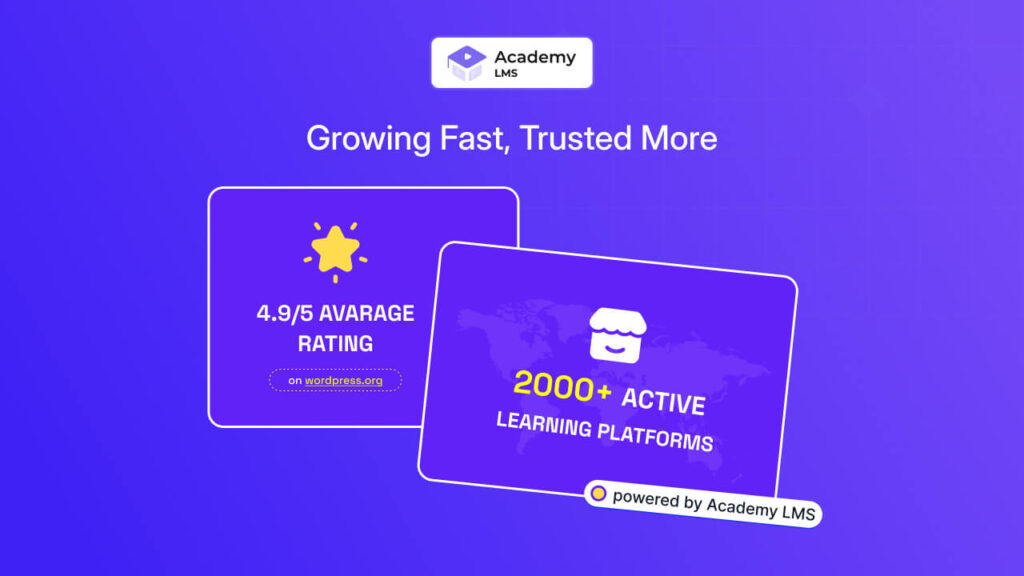
Overall rating: ⭐ 4.9 / 5
Market position: Top-rated LMS plugin on WordPress
Content & support delivered:
Blog posts: 9
Documentation guides: 34
Tutorial videos: 17
Short-form reels: 66
At the same time, we invested heavily in business-ready features.
We researched every major course business model—solo educators, membership academies, corporate training teams, group-based learning, and subscription platforms. Based on that research, Academy LMS expanded with native payments, memberships, subscriptions, course bundles, group access, device login restrictions, booking tools, affiliate support, and deep StoreEngine integration.
Quality stayed non-negotiable.
Each release focused on stability, performance, and clarity. Many improvements were behind the scenes, but they reduced friction in real use—fewer conflicts, smoother updates, and more predictable behavior across setups.
We also worked hard to support users beyond the plugin itself.
Throughout the year, we published continuous tutorials, documentation updates, blogs, videos, and short guides to help users adopt features with confidence. We strengthened integrations with MemberPress, WPML, BuddyBoss, ZenCommunity, calendar systems, analytics tools, AI services, and full-site editing themes—making sure Academy LMS fits naturally into modern WordPress environments.
By the end of 2025, the outcome became clear.
Academy LMS earned the Top Rated LMS position in WordPress. It reached the top of WordPress.org search rankings. And it became a platform trusted to power real learning businesses, not just test projects.
That leadership position was not claimed through marketing. It was earned through consistent shipping, careful listening, and long-term commitment.
aBlocks: From Page Building to a Complete Website System
By the end of 2024, aBlocks was already doing really well. Users were building serious websites with it. But inside the team, we knew this was only the beginning.
People often saw aBlocks as a powerful block plugin. But the way users were actually working told a bigger story. They were not just designing pages. They were building complete business websites—layouts, dashboards, forms, product views, interactions, and motion—all inside WordPress.
So in 2025, we changed how we think about aBlocks.
We stopped treating it as a website builder. We started building it as a complete website system.
That shift shaped every decision we made throughout the year. Everything had to feel native to the WordPress editor. Everything had to reduce dependency on extra plugins. And everything had to work together as one system, not as scattered features.
The execution was intense.
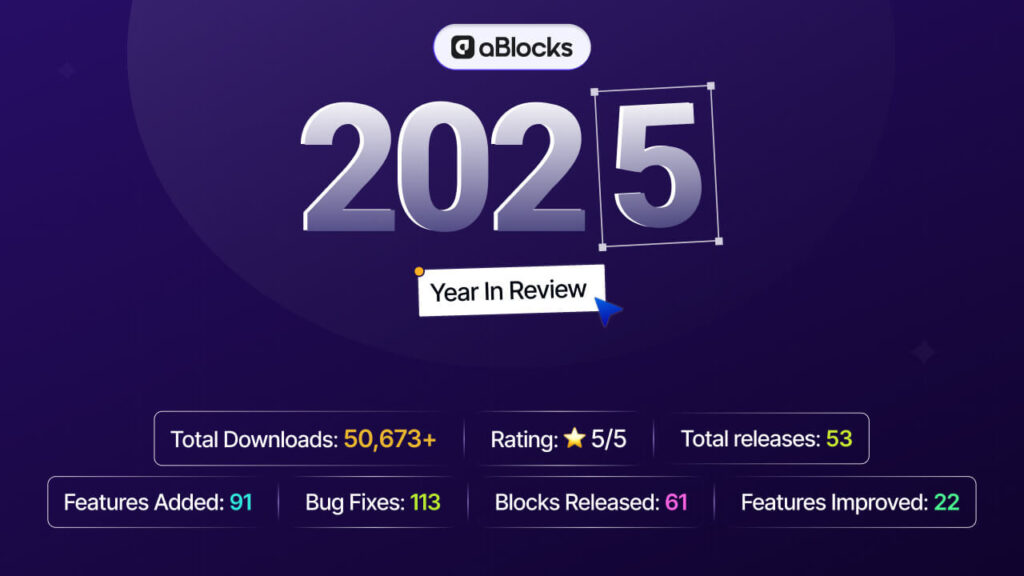
Total releases: 53
Free: 31
Pro: 22
New features added: 91
New blocks introduced: 61
Bug fixes delivered: 113
Existing features improved: 22
Total downloads: 50,673+
Overall rating: ⭐ 5 / 5
Content & support delivered:
Documentation guides: 56
Tutorial videos: 66
Short-form reels: 28
As the system grew, so did its capabilities.
aBlocks expanded far beyond page design. It powered theme building, frontend dashboards, form building, dynamic content, motion effects, and deep integrations with StoreEngine, Academy LMS, and QuizPress. Advanced layout control, global styling, reusable patterns, animation, and interaction became part of one predictable workflow.
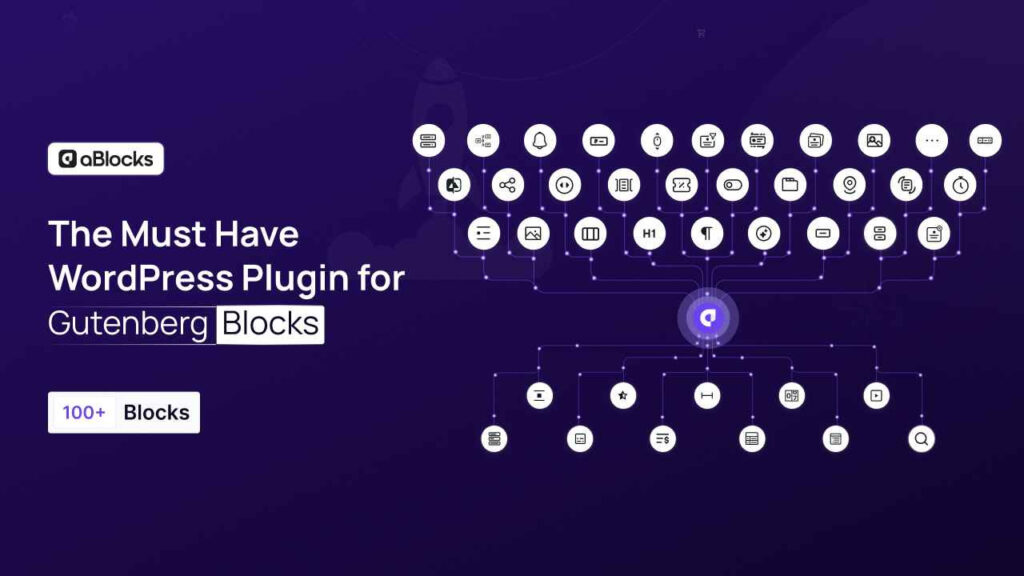
Even as aBlocks crossed 100+ advanced blocks, speed and stability remained non-negotiable. Every release was tested against real use cases. Backward compatibility mattered. Updates needed to feel safe on live websites.
A large part of 2025 was spent observing how users actually work.
Not demo layouts. Not showcase pages. Real production sites. We studied how agencies manage design systems, how creators reuse components, and how teams maintain consistency over time. Those insights shaped decisions around global color systems, typography control, container logic, dynamic blocks, and motion behavior.
By the end of 2025, aBlocks stood in a different position.
It was no longer seen as just another block plugin. It became the most capable free block system in WordPress—fast, flexible, and built to power complete business websites from a single plugin.
That evolution made aBlocks more than a tool. It became the structural layer of the Kodezen ecosystem.
StoreEngine: From a Focused Start to a Complete eCommerce Engine
StoreEngine did not begin as a general-purpose eCommerce solution.
At the start, it was built to solve a very specific problem for Academy LMS users—a reliable, native payment engine that could handle course sales without forcing them into expensive, plugin-heavy setups.
But very quickly, something became clear.
Store owners were spending far more than they should just to run basic eCommerce features. Even essential workflows—payments, subscriptions, checkout control—often required separate purchases. Growth tools came at an even higher cost. What should have been simple turned into a long list of add-ons and recurring fees.
That was not the future we wanted to build.
So in 2025, the vision for StoreEngine expanded.
We decided to establish StoreEngine as a complete eCommerce solution—one that brings core selling features and growth tools under a single roof. The goal was simple: once a store owner chooses StoreEngine, they should not need to keep buying more plugins just to grow.
From the moment StoreEngine launched on April 10, 2025, every decision followed that direction.
Execution came fast and steady.
Across free and pro versions combined, the team shipped 55 total releases throughout 2025 (40 free, 15 pro). We added 85 new features, fixed 241 bugs, and improved 141 existing workflows. Alongside product execution, StoreEngine was supported with 53 documentation guides, 19 tutorial videos, 38 short-form reels, and 8 in-depth blog posts, ensuring store owners could adopt new features with clarity while running scalable, cost-efficient eCommerce operations.
As StoreEngine grew, it moved well beyond payments.
Subscriptions, memberships, trials, secure downloads, licensed software delivery, checkout control, cart recovery, coupons, taxes, invoices, customer dashboards, and analytics became part of one connected system. Growth tools were not treated as extras—they were built into the core experience.
StoreEngine also expanded confidently into real business use cases.
Digital products, physical goods, LMS bundles, subscriptions, and hybrid stores all worked within the same framework. Growth tools like product suggestion, order bump, affiliate, advanced analytic all included. Deep Academy LMS integrations made selling courses seamless, while shipping, digital file control, and flexible pricing supported more traditional eCommerce needs.
Stability remained non-negotiable.
Many improvements in 2025 focused on details that store owners feel over time—accurate order states, safe refunds, reliable downloads, cleaner admin flows, and predictable updates. These are the things that make growth feel safe.
Alongside the product, we invested in guidance.
StoreEngine was supported with clear documentation, practical blog posts, walkthrough videos, and short-form learning content—so users could move forward with confidence instead of guesswork.
By the end of 2025, StoreEngine had earned its place.
Hundreds of live stores relied on it. It maintained a perfect rating built on real usage. And it proved that WordPress eCommerce does not have to be expensive, fragmented, or hard to manage.
StoreEngine grew by removing costs, not adding them. By simplifying workflows, not complicating them.
That is what made it the commerce engine of the Kodezen ecosystem.
ZenCommunity: From Community Requests to Real-Time Engagement
ZenCommunity started from a clear, repeated demand. Our LMS users and store owners wanted a native community they fully control—not another external platform. They needed one place where students, customers, and teams could connect, talk, and get support without leaving their website.
At first, it sounded simple. But it quickly became clear that posts and comments were not enough.
People wanted real-time interaction—live updates, instant conversations, reactions, mentions, and notifications that feel alive. So we made a hard decision: ZenCommunity would not be a traditional WordPress community. It would be real-time by design.
That choice changed everything.
Turning a standard WordPress community into a real-time system was the hardest part. Once that foundation was stable, two more needs surfaced immediately: support and live chat. Users were already paying separately for community tools, support systems, and chat software. We brought all three together—inside one plugin.
ZenCommunity’s first release shipped on November 3, 2025. In a short time, the product moved fast:
14 total releases in the free version
36 new features added
42 bugs fixed
17 existing features improved
Native integrations with Academy LMS, Tutor LMS, LearnPress, LearnDash, MasterStudy, and LifterLMS
Core capabilities like real-time posts, comments, replies, reactions, group messaging, live chat, support tickets, file sharing, dark/light mode, mentions, and notifications matured rapidly—driven by real usage, not assumptions.
Most importantly, ZenCommunity became real inside our own company.
We now run our entire customer community, support system, and website live chat on ZenCommunity itself. Customers post publicly, create tickets, or start live chats. Support engineers respond in real time, track conversations, share files, and manage everything from one branded interface.
That daily usage shaped the product faster than any roadmap.
By the end of 2025, ZenCommunity proved one thing clearly: real-time engagement belongs inside your website—not scattered across tools.
That’s why ZenCommunity stands today as the engagement layer of the Kodezen ecosystem—built from real demand, hardened by real use, and designed to replace multiple systems with one.
ECM: From Custom Fields to Complete Content Management
aBlocks proved that advanced design in WordPress no longer needs code. But inside the team, a deeper problem kept surfacing.
What if users could control content itself the same way— without code, without backdated systems, without friction?
When we studied how WordPress handles structured data, the gap was clear. Most tools focused only on adding custom fields. Very few helped users manage content as a system. As content grew, visibility dropped. Managing large datasets became slow and painful.
That question led to Easy Content Manager (ECM).
From day one, ECM was built to support both workflows:
Classic WordPress users who prefer familiar patterns
Teams who want a faster, modern, system-level experience
ECM went beyond field creation. It allowed users to add custom fields anywhere—even where WordPress normally blocks editing—and introduced a unified interface to view, filter, duplicate, sort, and manage posts, post types, taxonomies, and structured data from one screen.
That shift mattered.
Large content sets became easier to control. Repetitive admin work dropped. Structured data finally became manageable instead of overwhelming.
Execution moved fast after launch.
Since its first release on September 15, 2025, ECM delivered:
6 total releases (free)
8 new core features added
45 bugs fixed
11 existing features improved
35+ field types, custom post types, taxonomies, and a single-page React interface
1,263 total downloads in early adoption phase
As ECM evolved, add-ons expanded its role—introducing reviews, ratings, reactions, bookmarks, view tracking, sorting logic, and claim workflows. These were not surface features. Each addition focused on one thing: control how content behaves, not just how it looks.
Stability stayed non-negotiable.
Field rendering became faster. Taxonomy handling became more reliable. Duplication, filtering, and sorting workflows improved with every iteration—while the system stayed lightweight.
What makes ECM different is not ambition—it’s alignment.
It works with WordPress defaults, not against them. It supports modern workflows without forcing users to abandon familiar habits. And it gives creators, agencies, and site owners the freedom to shape content around real business needs.
ECM was never built to replace tools like ACF. It was built to go further.
By combining custom fields, post types, taxonomies, settings, and content management into one system, ECM became the content and data layer of the Kodezen ecosystem—quiet, practical, and built for real projects.
Not every product reaches maturity in the same year. Some products begin by solving very focused problems—and grow from there.
In 2025, two such products took shape inside Kodezen.
GemBoards: Visual task and workflow management inside WordPress
GemBoards started with a simple observation
Teams building with WordPress were still forced to leave their site just to manage tasks, goals, and internal workflows. That context switch created friction. Work became scattered. Ownership blurred.
GemBoards was built to keep work where the work already happens.
Instead of copying heavy project management tools, GemBoards focused on clarity:
Project creation
Kanban and sprint workflows
Task folders and role-based permissions
Notifications and user invitations
Lightweight collaboration designed for WordPress teams
Since its beta release, GemBoards delivered:
First Release: 24 December 2025
10 total releases
15 core workflow features added
29 bug fixes
14 documentation resources
504 total downloads in early access
Throughout beta, one insight became clear: Effective project management does not need complexity.
The core is now stable. The workflow direction is validated. GemBoards is shaping into a natural productivity layer for teams already using Kodezen tools to build, sell, and manage their businesses inside WordPress.
QuizPress: Advanced quiz, assessment, and certification for learning and engagement
QuizPress was born from another recurring need.
Educators, trainers, and site owners wanted quizzes and assessments—but without the weight of a full LMS or scattered add-ons. They needed something focused. Flexible. Reliable.
QuizPress was designed to do exactly that.
From quizzes and assessments to certifications and learning engagement, QuizPress focused on structure and clarity. Creating questions, managing attempts, tracking results, and issuing certificates—all without unnecessary setup.
During its beta stage, QuizPress showed strong potential as a standalone assessment tool, while also fitting naturally alongside learning platforms like Academy LMS.
It is still early. But the foundation is solid.
QuizPress is being shaped carefully, with real use cases guiding every decision—so when it fully arrives, it will feel purposeful, not rushed.
Looking Ahead to 2026: Building for Real Growth
In 2026, our focus is clear.
We want to take our established products to true leadership positions—just like Academy LMS. But leadership, for us, does not mean pushing people to use our plugins. It means solving real problems, simplifying daily work, and helping businesses grow with confidence.
Every business is different. Different models. Different workflows. Different challenges.
Our goal is to make sure Kodezen products fit naturally into all kinds of businesses—globally. We want each product to feel like the best possible choice, no matter how a business operates or scales.
At the same time, we are preparing our newer plugins for broader adoption. GemBoards, QuizPress, and other upcoming tools are being shaped with the same mindset: practical use cases first, long-term value second, and noise last.
Today, our ecosystem already helps people build many types of businesses. In 2026, we are going further.
Our focus is not only on helping people start businesses, but on helping them scale. That is why we are investing deeply in marketing-focused plugins. Our goal is simple: when someone uses the Kodezen ecosystem, they should not need extra third-party tools to grow.
Our development teams have already started work in this direction. New marketing tools are taking shape.